July 20, 2026
Electrical and building problems are not always visible during a standard inspection. A wall may look dry even when moisture is collecting behind it, a breaker may appear normal while an overloaded connection is heating up, and insulation gaps can remain hidden beneath finished surfaces. These concealed conditions can create safety concerns, energy waste, equipment damage, and costly repairs. Finding them early gives property owners a chance to act before an emergency.
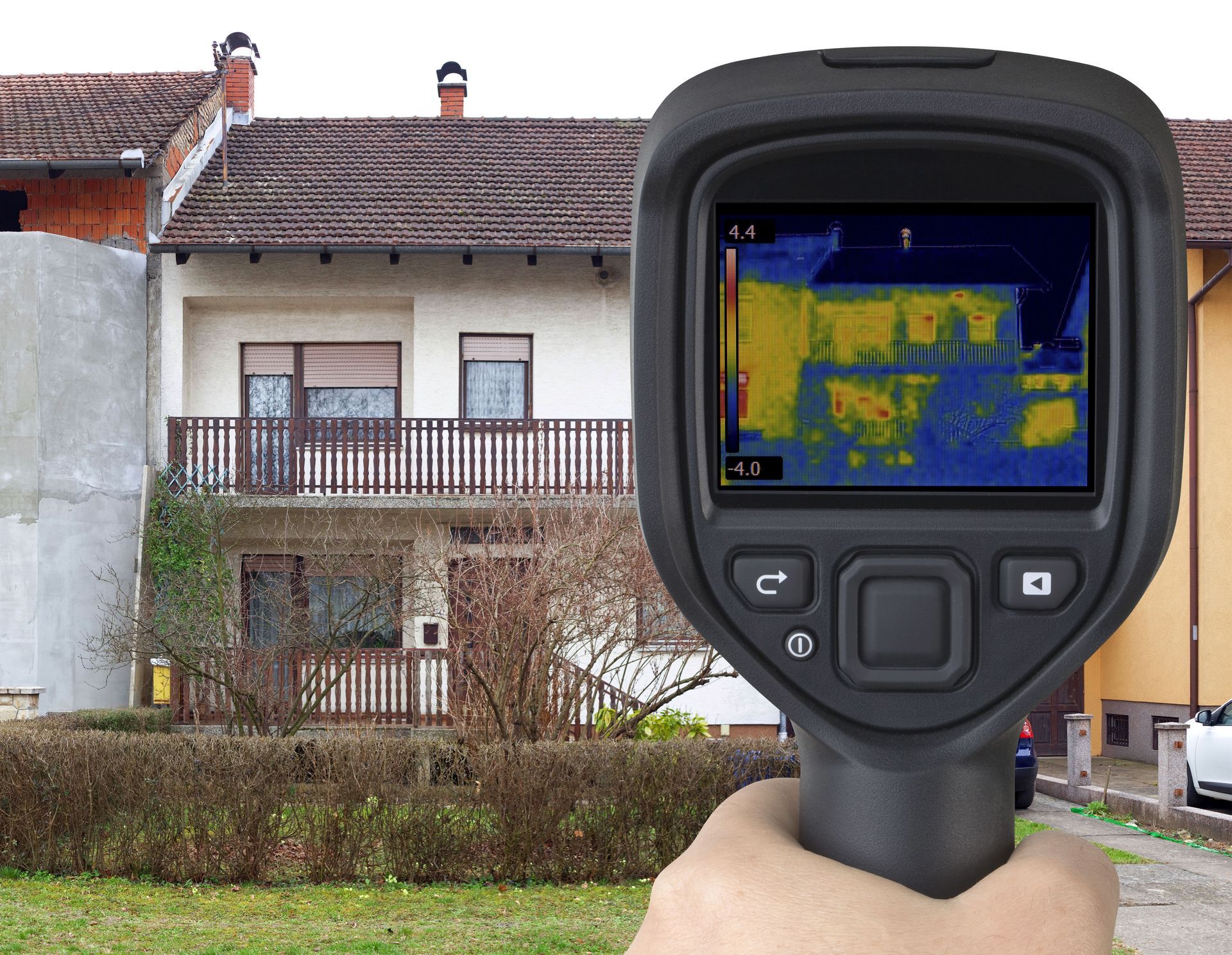
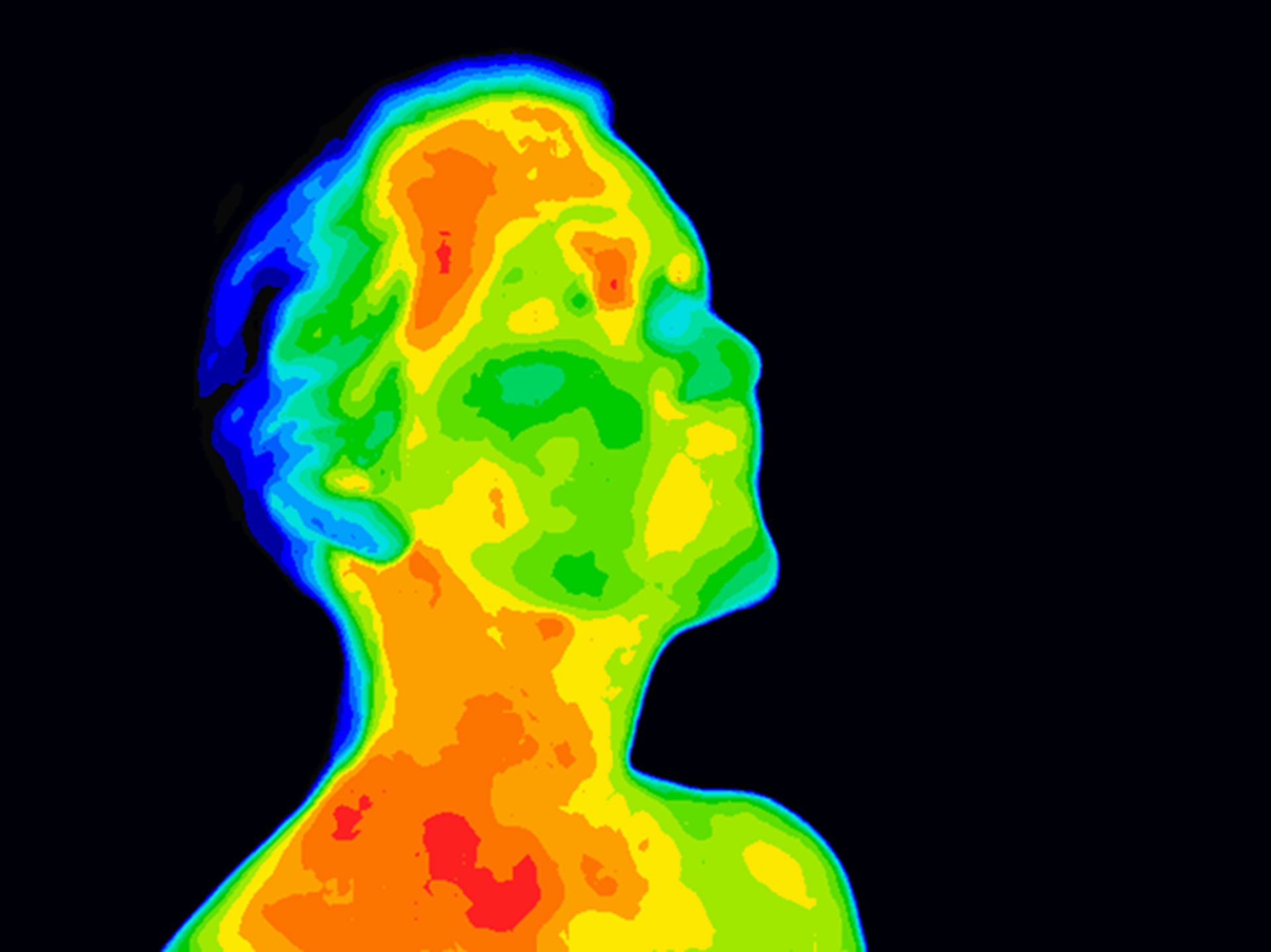
Thermal imaging technology uses temperature differences to evaluate electrical systems, walls, ceilings, floors, and mechanical equipment. During infrared testing, these patterns can point to issues that may not be obvious through sight or touch. In one inspection, a trained professional can gather information about overheating components, air leaks, moisture, insulation weaknesses, and equipment performance.
Detecting Overheated Electrical Components
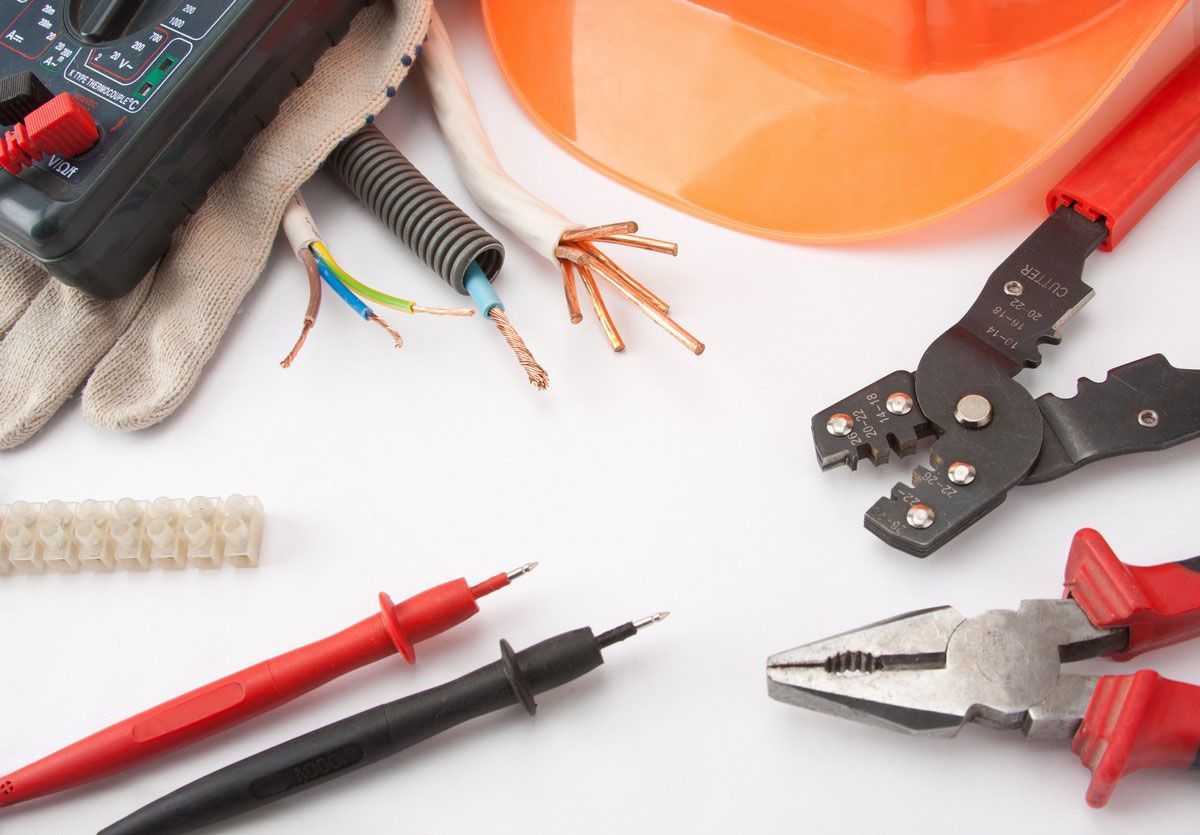
Electrical connections can loosen, corrode, or become overloaded over time. When this happens, resistance increases and creates excess heat. The component may continue operating under stress, making the problem difficult to identify visually. Thermal imaging can show unusual hot spots around panels, breakers, wiring connections, switches, and other components before visible damage develops.
Infrared testing allows electricians to compare temperature patterns and determine whether one component is operating much hotter than nearby equipment. A hot connection may point to loose wiring, an overloaded circuit, failing hardware, or uneven electrical demand. Early identification can reduce the risk of failure, equipment damage, or fire while helping professionals target repairs.
Locating Hidden Moisture Intrusion
Water can travel through roofs, walls, ceilings, and floors without immediately creating a visible stain. Moisture often changes the temperature of surrounding materials because damp areas heat and cool differently from dry surfaces. A thermal camera can reveal these temperature variations, helping an inspector identify areas that deserve closer attention. This is useful after storms, plumbing leaks, roof damage, or unexplained humidity.
Thermal imaging does not confirm moisture on its own, but it helps narrow the search so additional testing can be performed efficiently. A professional may then use a moisture meter or physical inspection to verify the source. Early detection can limit mold growth, wood deterioration, damaged insulation, and ruined finishes. Finding the area quickly may also limit how much finished material must be removed.
Identifying Missing or Damaged Insulation
Insulation helps control indoor temperatures by slowing heat transfer through walls, ceilings, and floors. When insulation is missing, compressed, wet, or improperly installed, certain sections of the building may gain or lose heat faster than surrounding areas. These differences often appear clearly on a thermal image. Property owners may notice drafts or uneven temperatures without knowing where the problem is located.
Infrared testing can reveal weak areas in the building envelope without requiring immediate demolition. An inspector may find empty wall cavities, poorly insulated attic sections, gaps around framing, or insulation that has shifted over time. This information supports targeted improvements without opening large finished areas. Correcting insulation problems can improve comfort, reduce strain on heating and cooling systems, and support lower energy use throughout the year.
Finding Air Leaks Around the Building
Air leaks around windows, doors, outlets, attic access points, vents, and exterior penetrations can make indoor spaces harder to heat or cool. Conditioned air escapes as outdoor air enters, forcing HVAC equipment to run longer. Small gaps may be difficult to locate because they are hidden by trim, caulk, siding, or wall materials. Thermal patterns can help show where outside temperatures are affecting interior surfaces.
During an inspection, the clearest results often appear when there is a noticeable temperature difference between indoors and outdoors. The camera may reveal cold streaks during winter or warm areas during summer. Once these leaks are identified, sealing and weatherization work can be directed to the correct locations. This can reduce drafts and help maintain consistent room temperatures.
Evaluating Heating and Cooling Performance
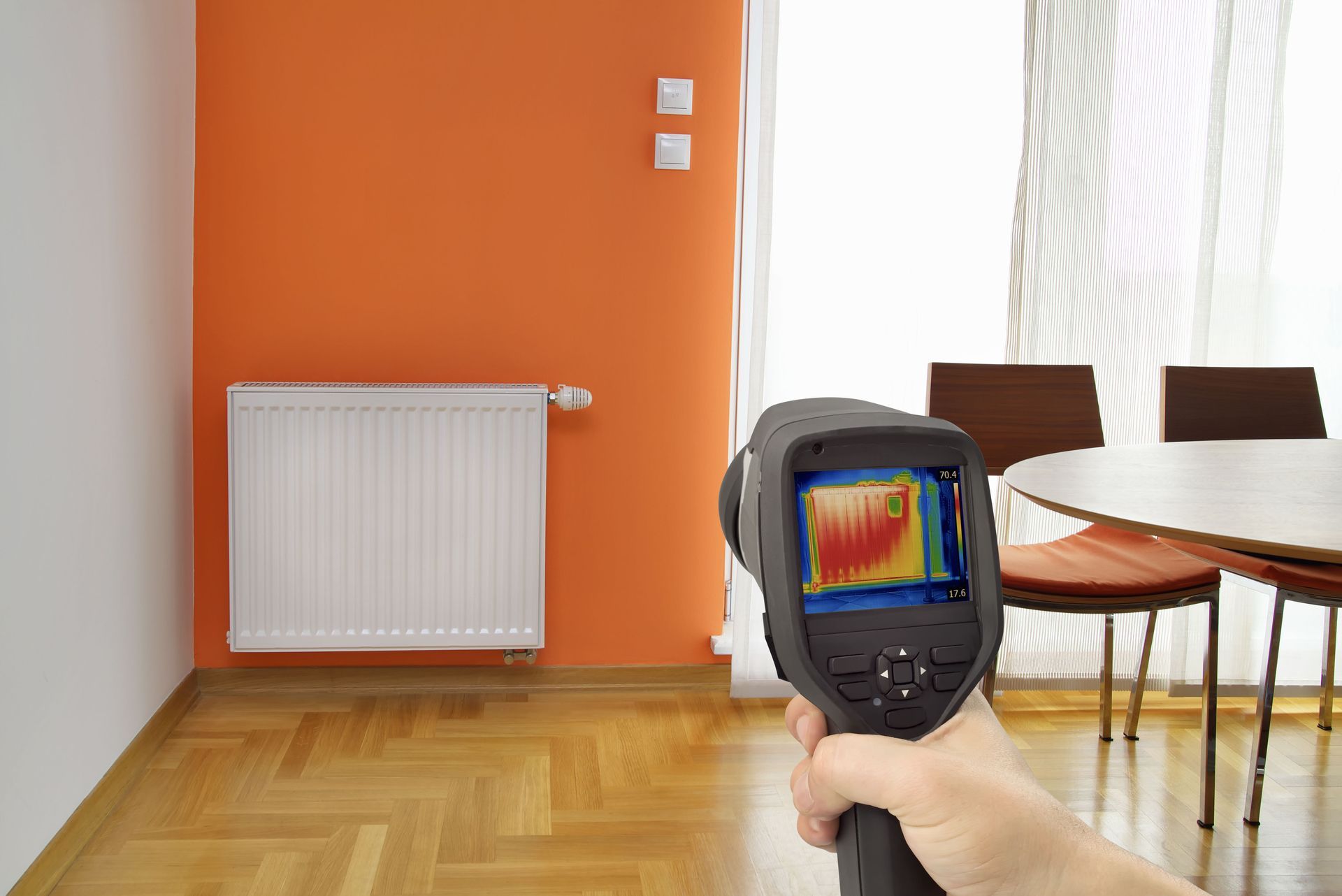
Heating and cooling systems depend on proper airflow, balanced distribution, and well-functioning components. A blocked vent, leaking duct, failing motor, or uneven radiant heating loop can affect performance without causing an immediate shutdown. Thermal imaging can show whether heated or cooled air is reaching the intended areas and whether equipment is operating within expected temperature ranges.
Infrared testing may reveal cold spots from disconnected ductwork, unusual heat around motors, uneven floor heating, or vents that are not distributing air properly. These findings can guide further mechanical inspection and reduce guesswork. Technicians can use visible temperature patterns to locate potential causes. Timely repairs may improve system efficiency, reduce energy waste, and help prevent more serious equipment failures.
Checking Roofing and Exterior Surfaces
Roofing problems can allow moisture to enter insulation and decking long before leaks become visible inside the building. Wet roofing materials often retain heat differently than dry materials, creating thermal patterns that can be detected under suitable conditions. This method can help identify suspicious areas on flat or low-slope roofs, especially when the inspection is performed at the proper time of day.
Exterior walls may also show heat loss, water intrusion, or areas where materials have separated. Thermal imaging can help inspectors evaluate broad surfaces more efficiently than checking every section by hand. Any suspected defect should still be confirmed through additional inspection, but the thermal scan provides a useful map of areas that need attention. This approach helps owners prioritize repairs before damage spreads.
Assessing Motors and Mechanical Equipment
Motors, pumps, bearings, compressors, and other mechanical components naturally produce heat during operation. However, excessive or uneven temperatures can point to friction, poor lubrication, restricted airflow, electrical imbalance, or internal wear. These problems may develop while equipment continues running. A thermal inspection can identify abnormal heat patterns before the equipment stops working completely.
For commercial and industrial properties, this information can support preventive maintenance planning. Repairs can be scheduled before a critical component fails and interrupts operations. Infrared testing can also help document baseline temperatures for equipment, making future changes easier to recognize. Comparing readings with earlier inspections or manufacturer expectations supports better repair or replacement decisions.
Reducing Inspection Time and Disruption
One of the strongest advantages of thermal imaging is the amount of information it can collect without damaging finished surfaces. Inspectors can scan panels, walls, ceilings, floors, roofing areas, and equipment while many systems remain in normal operation. This is useful in occupied properties where disruption should be minimized.
According to HomeAdvisor, thermal scans typically take between 30 minutes and 1.5 hours to complete, while homes larger than 4,000 square feet may require more than two hours, increasing the overall inspection cost. Inspection time depends on property size, accessibility, systems, and concerns. Even so, a single visit can reveal multiple types of hidden conditions, allowing property owners to receive focused recommendations without relying on destructive investigation as the first step.
Supporting Better Repair Decisions
Property owners often face uncertainty when a problem is suspected but the cause is unclear. Repeated repairs, unexplained energy costs, intermittent electrical trouble, and recurring moisture can lead to wasted time and money. Thermal images connect symptoms with possible problem areas and support more productive conversations with professionals.
Infrared testing does not replace professional diagnosis, but it provides valuable information that supports the next step. A trained inspector can explain what the temperature patterns may indicate and recommend additional testing when needed. Property owners can then prioritize urgent safety concerns, schedule preventive work, and avoid unnecessary repairs. Clear documentation also creates a useful record for future comparisons, especially in buildings with complex electrical or mechanical systems.
Hidden electrical, moisture, insulation, airflow, roofing, and mechanical problems can become expensive when they remain undetected. A thermal inspection offers a noninvasive way to identify unusual temperature patterns and direct attention to areas that need further evaluation. With information gathered during one visit, property owners can respond earlier, plan repairs more accurately, improve energy performance, and reduce the risk of sudden equipment failure. To schedule professional infrared testing and gain a clearer view of what may be happening behind the surfaces of your property, contact Sheridan Electric Inc.