September 21, 2026
Modern commercial facilities depend heavily on reliable electrical systems and continuous power distribution to keep operations running smoothly every day. Hidden operational defects, loose wiring connections, and thermal anomalies often develop long before visual symptoms or physical equipment failures become apparent to site personnel. Recognizing these invisible hazards early is vital for maintaining workplace safety and protecting valuable capital assets across any business property. Through advanced non-invasive diagnostic equipment, commercial property managers can evaluate heat patterns and pinpoint subtle thermal shifts across complex electrical infrastructure without causing operational disruptions.
Professional infrared inspections have become an essential diagnostic method across modern commercial and industrial environments. By capturing infrared radiation emitted by energetic systems, specialized cameras transform invisible heat variances into clear visual images for technical analysis. This analytical strategy empowers facility operators to perform proactive maintenance, correct dangerous system imbalances, and safeguard critical building infrastructure. Exploring the technical principles, operational benefits, and diverse applications of thermal diagnostic testing reveals how this technology protects commercial facilities from catastrophic power interruptions and structural failures.
Analyze Physics and Radiation
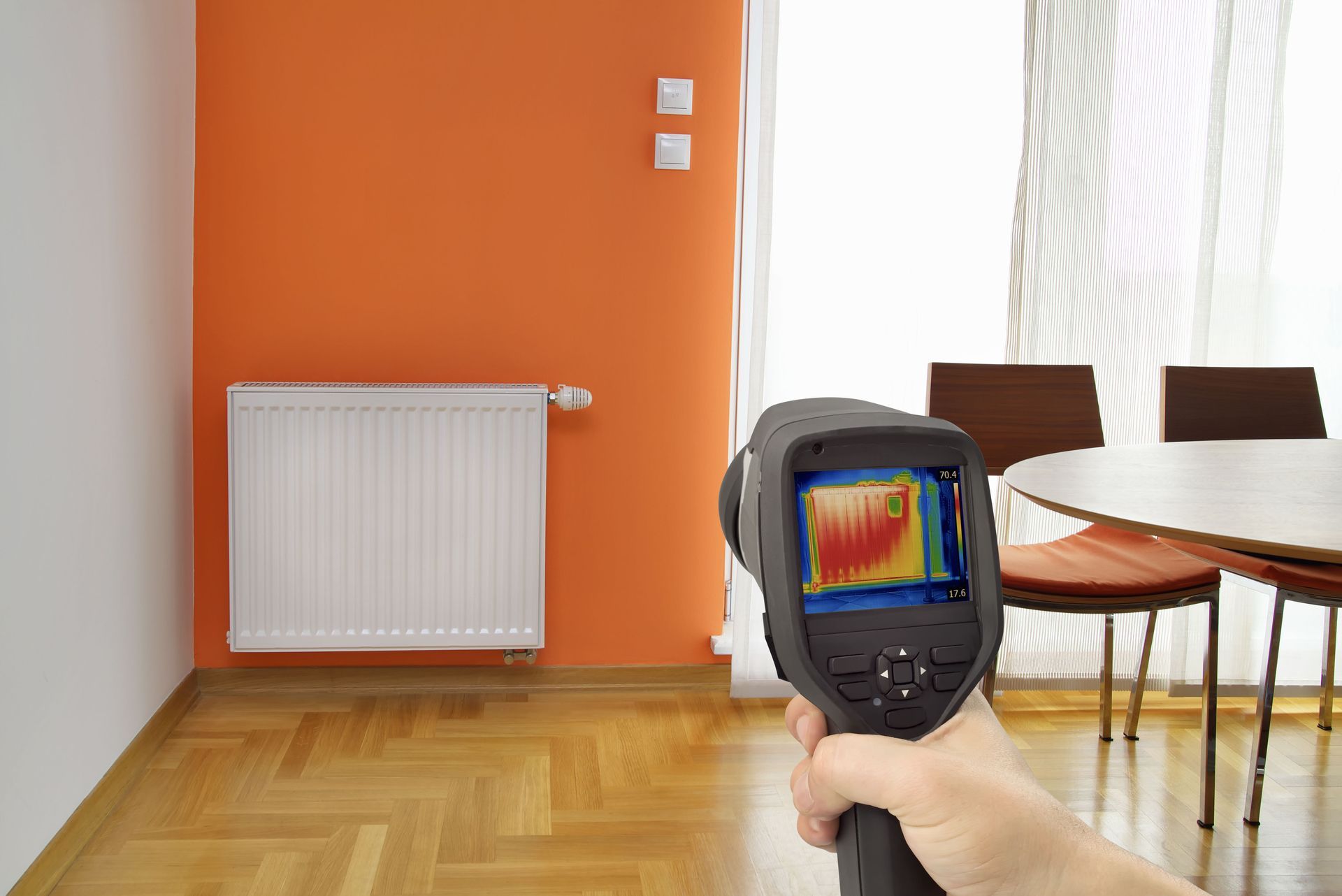
Thermal imaging relies on fundamental physical principles regarding how electromagnetic energy moves through different physical materials within a building. Every physical object emits thermal radiation based on its internal temperature, creating a unique thermal signature that trained thermographers can analyze during field evaluations. Specialized diagnostic cameras gather this invisible energy, converting subtle heat variances into detailed visual images that highlight high-resistance electrical connections, overloaded circuits, and component fatigue. Integrating routine infrared inspections into standard facility maintenance allows commercial technicians to establish baseline thermal measurements, making future anomalies much easier to identify before equipment failure occurs.
Precise diagnostic results rely heavily on atmospheric conditions and accurate calibration adjustments during detailed testing procedures. According to the U.S. Department of Energy, capturing the clearest thermal readings generally requires a notable variance in temperature of at least 20°F (14°C) separating interior and exterior environments. Proper emissivity settings and detailed atmospheric calculations ensure that heat signatures reflect genuine mechanical or electrical stress rather than surface reflections from surrounding light. Understanding these environmental influences enables qualified personnel to gather reliable diagnostic data, leading to actionable maintenance decisions and improved overall system safety.
Detect Faults and Deficiencies
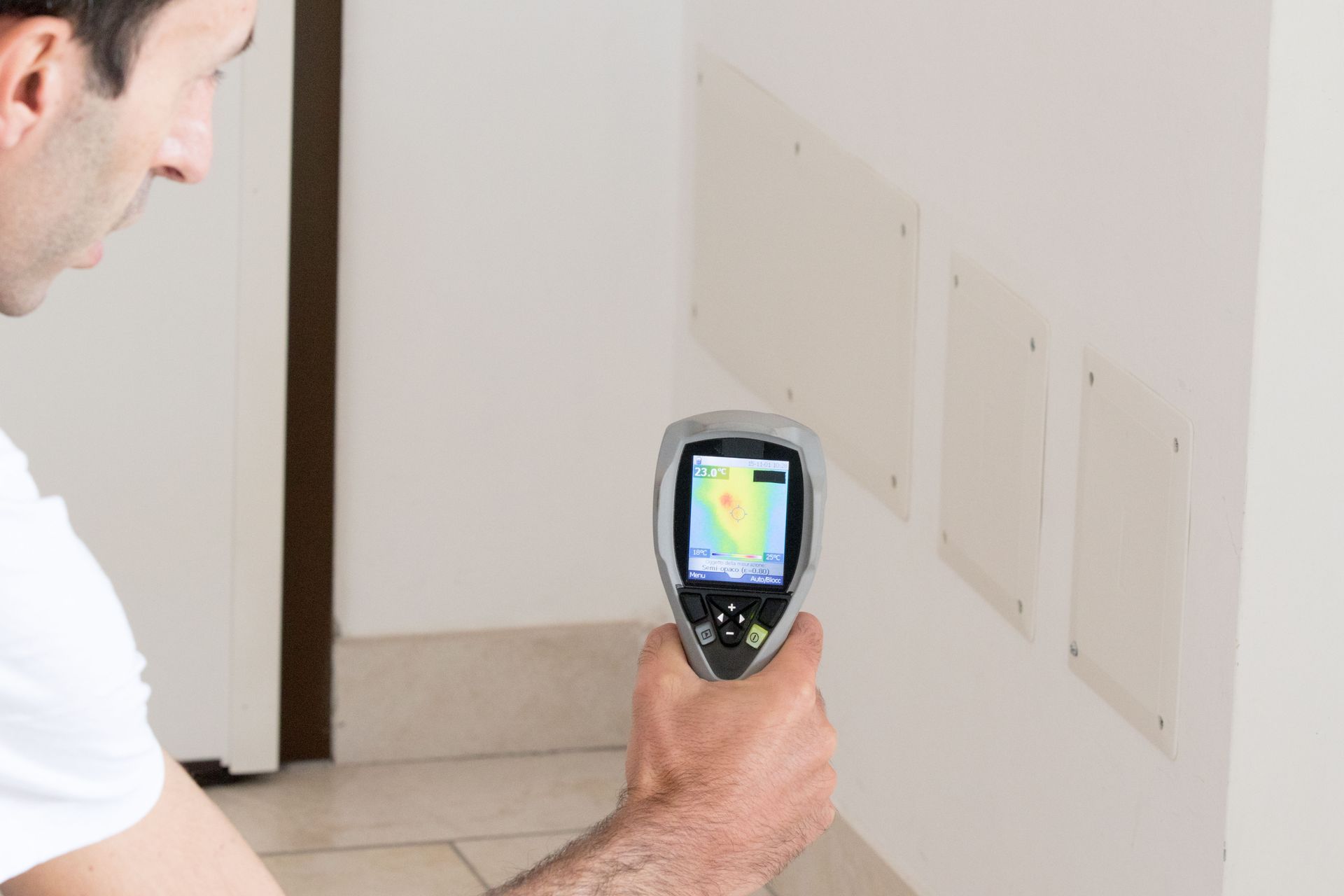
Commercial buildings frequently develop unseen physical issues that compromise structural integrity and operational efficiency over extended operating periods. Utilizing targeted infrared inspections helps building engineers detect hidden moisture accumulation, compromised roof membranes, and degraded wall insulation. Moisture retention appears cooler on thermal scans due to natural evaporative processes, allowing technicians to locate active water leaks behind drywall and masonry without causing destructive structural damage. Identifying water intrusion early prevents hidden structural deterioration, protects vital building framing, and preserves indoor environmental quality for all building occupants.
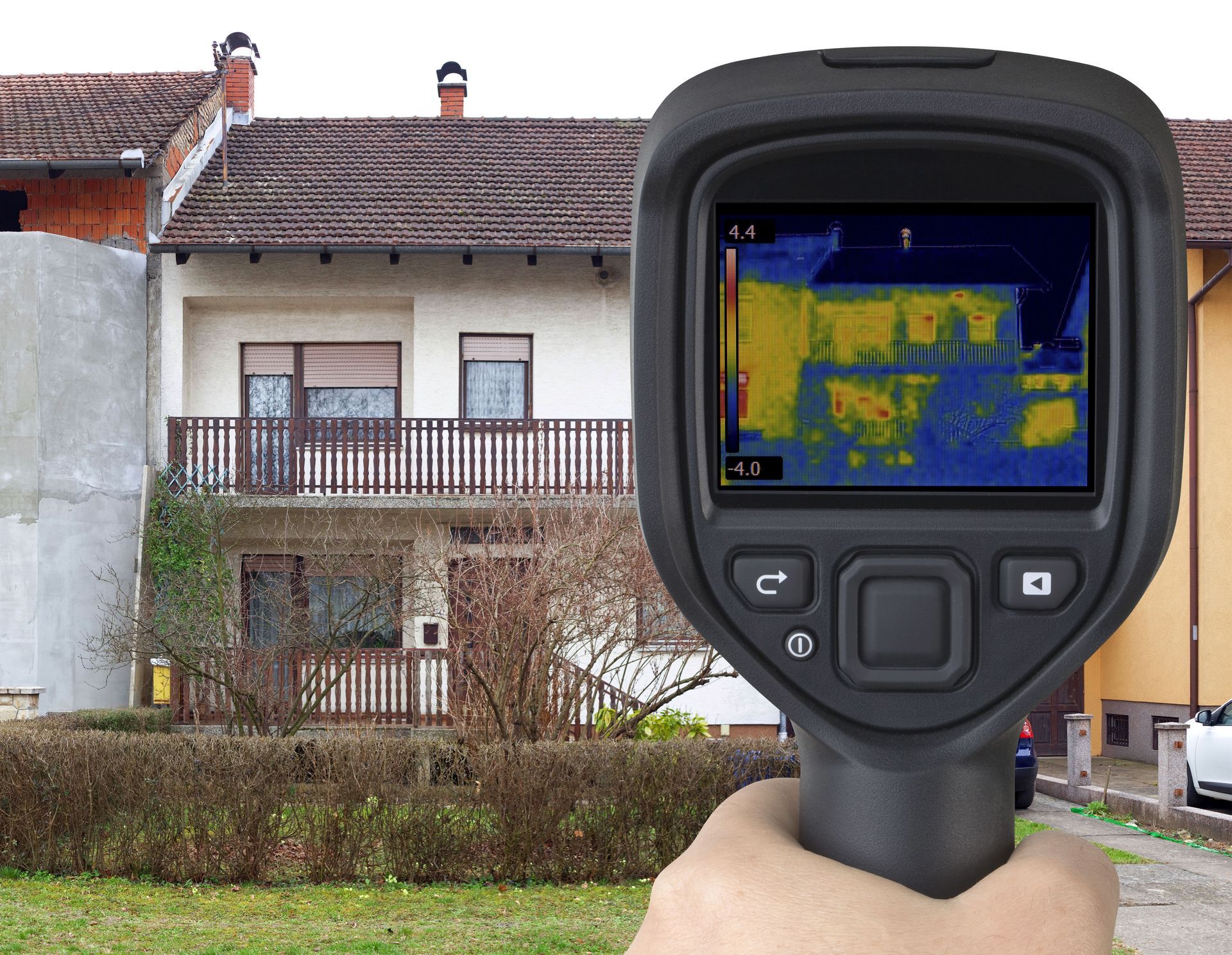
Air leakage around architectural envelope seals represents another common deficiency revealed through detailed thermal scanning processes. Missing insulation, defective weather seals, and unsealed wall penetrations create unwanted thermal transfers that place excessive strain on heating and cooling equipment. Identifying these hidden thermal leaks allows building managers to perform targeted envelope upgrades, improving indoor comfort and extending mechanical equipment service life. By addressing insulation gaps and structural air leaks systematically, facilities maintain stable internal temperatures while protecting internal building materials from moisture condensation and long-term environmental degradation.
Protect Facilities and Infrastructure
Electrical distribution systems represent the functional backbone of commercial and industrial facilities, making electrical safety an absolute priority for property owners. High resistance connections, corrosion, and unbalanced electrical loads generate excess thermal energy within switchgear, main switchboards, distribution panelboards, and motor control centers. Left unaddressed, these localized hot spots can lead to sudden electrical arcing, dangerous component destruction, or severe facility fires. Routine thermal scans highlight dangerous thermal stress early, granting maintenance teams sufficient time to tighten loose terminals and replace worn electrical components safely.
Incorporating systematic infrared inspections into facility safety protocols ensures full compliance with national electrical safety standards and municipal fire codes. Protecting critical power infrastructure through predictive testing reduces the probability of unexpected emergency shutdowns and catastrophic equipment damage. Commercial generators, main service disconnects, transfer switches, and emergency lighting circuits also benefit immensely from thorough thermal evaluations. Maintaining clear thermal records provides documentable proof of proactive maintenance, reinforcing overall facility safety while reassuring insurance underwriters and building inspectors.
Evaluate Efficiency and Systems
Commercial mechanical systems, including heating, ventilation, and power conditioning units, require balanced operating parameters to maintain maximum efficiency. Performing routine infrared inspections on heavy HVAC equipment enables engineers to evaluate bearing friction, ductwork air leaks, compressor performance, and motor winding health. Overheating motors or blocked ductwork show distinct thermal signatures, signaling poor air circulation or internal mechanical friction. Identifying these operational drag factors allows technicians to clean coils, lubricate bearings, and rebalance airflow, ensuring smooth mechanical operation throughout the entire commercial facility.
Comprehensive energy evaluations benefit immensely from detailed thermal data collected across interconnected facility systems. Mapping thermal patterns across power distribution panels and mechanical equipment reveals hidden energy losses that increase operational stress over time. Correcting voltage imbalances and replacing failing thermal insulation stabilizes energy consumption while reducing thermal wear on switchboards and transformers. This structured analytical approach empowers commercial facility leaders to prioritize maintenance tasks efficiently, ensuring that capital resources are directed toward the most critical equipment repairs first.
Improve Reliability and Operations
Industrial manufacturing environments and heavy commercial operations rely on continuous machinery uptime to maintain daily productivity levels. Continuous operational stress can degrade heavy-duty electric motors, conveyor drives, and high-voltage power supplies over time. Thermal diagnostics provide a non-destructive method for evaluating operating machinery while systems remain fully energized and under normal production loads. Technicians can observe thermal behavior under actual working conditions, gathering real-time diagnostic insight without disrupting ongoing facility operations or interrupting critical production schedules.
Establishing predictive maintenance schedules supported by routine infrared inspections significantly minimizes unexpected machinery breakdowns and operational delays. Identifying internal friction, electrical resistance, or cooling system blockages before component failure occurs allows maintenance teams to order replacement parts and schedule repairs during planned shutdown windows. This proactive approach prevents cascading equipment failures, preserves high-value industrial machinery, and maintains steady operational output. Consequently, facility managers maintain greater operational control while safeguarding workers from dangerous equipment malfunctions.
Adopt Innovations and Technologies
Ongoing advancements in sensor design and visual processing software continue to enhance the diagnostic capabilities of modern infrared inspections. Modern diagnostic cameras offer elevated thermal resolution, wider lens angles, and rapid image capture, enabling thermographers to inspect expansive commercial facilities in less time. Advanced software tools process thermal images quickly, generating detailed comparative report structures that track temperature trends across individual components over time. These analytical improvements allow maintenance personnel to identify subtle degradation patterns that might previously have gone unnoticed during routine visual reviews.
Combining thermal imaging data with established facility management workflows creates a highly effective predictive maintenance environment. Modern diagnostic platforms generate detailed comparative reports, helping technicians monitor historical equipment performance and schedule service before components reach critical failure thresholds. As diagnostic equipment becomes more sophisticated, commercial facilities will increasingly rely on regular thermal imaging to maintain complete operational readiness. Embracing these advanced diagnostic protocols ensures long-term facility resilience, enhanced electrical safety, and superior infrastructure protection.
Thermal imaging technology provides commercial facility managers with unprecedented visibility into the unseen condition of electrical and mechanical systems. By revealing hidden thermal stress, moisture accumulation, and structural air leaks before severe damage occurs, professional infrared inspections serve as a cornerstone of modern building maintenance and safety management. Adopting this proactive diagnostic tool protects operational productivity, prevents catastrophic equipment failures, and ensures long-term infrastructure stability across diverse commercial properties.
Maintaining safe, reliable electrical systems requires consistent analytical vigilance and expert technical oversight. Partnering with experienced electrical professionals ensures that switchboards, distribution panels, and critical building systems receive thorough thermal evaluations performed to rigorous industry standards. Reach out to our expert team at Sheridan Electric Inc to schedule a comprehensive thermal evaluation today.