January 21, 2026
Unexpected electrical failures rarely happen without warning—they just go unnoticed. By identifying abnormal heat patterns before they escalate, infrared testing gives facility owners and managers a powerful way to stay ahead of costly downtime and safety hazards. Proactive inspections turn hidden risks into manageable maintenance tasks rather than emergency repairs.
Understanding Early Warning Signs in Electrical Systems
Electrical components generate heat as they operate, but excessive or uneven heat is often a signal that something is wrong. Loose connections, overloaded circuits, failing breakers, and deteriorating insulation all create resistance that shows up as elevated temperatures long before visible damage occurs. Traditional inspections may miss these problems because everything looks fine on the surface. Panels can appear clean, wiring can look intact, and equipment may still be running—yet internal stress is steadily building.
This is where infrared testing becomes invaluable. Instead of relying on sight or touch, technicians can “see” heat patterns and compare them against normal operating baselines. Even minor temperature differences can point to developing issues, allowing corrective action to happen early. Catching these warning signs reduces the risk of arc flashes, fires, and unexpected shutdowns that disrupt operations and endanger people.
Beyond identifying obvious hot spots, thermal imaging also helps distinguish between normal load-related heat and abnormal conditions that require attention. For example, a breaker running warmer than identical breakers under similar loads can indicate imbalance or internal wear. Over time, repeated scans help establish trends, making it easier to tell whether a condition is stable or deteriorating. This insight supports smarter maintenance decisions, reduces guesswork, and helps teams address the root cause of problems before they escalate into costly or dangerous failures.
Exploring How Thermal Imaging Technology Works
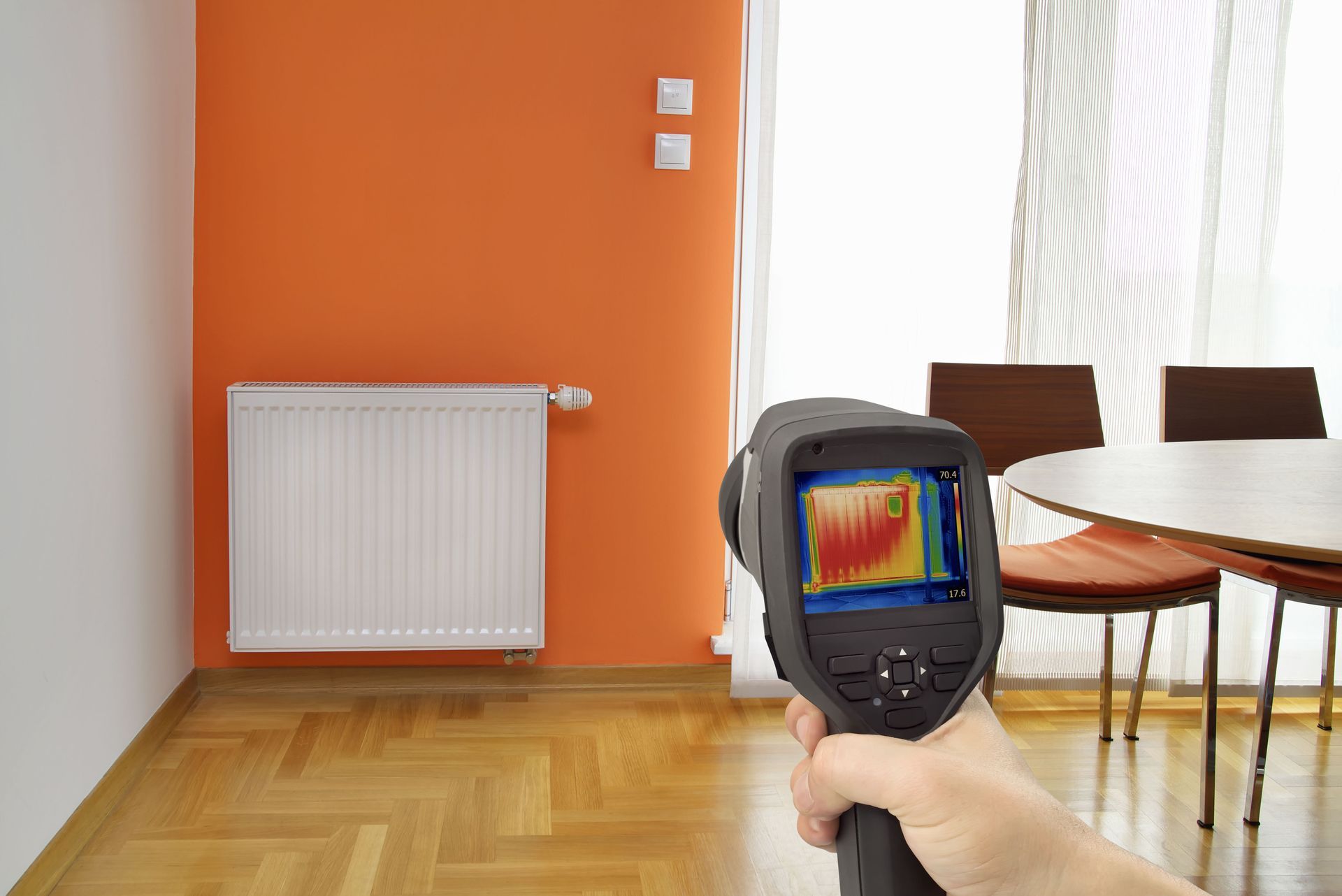
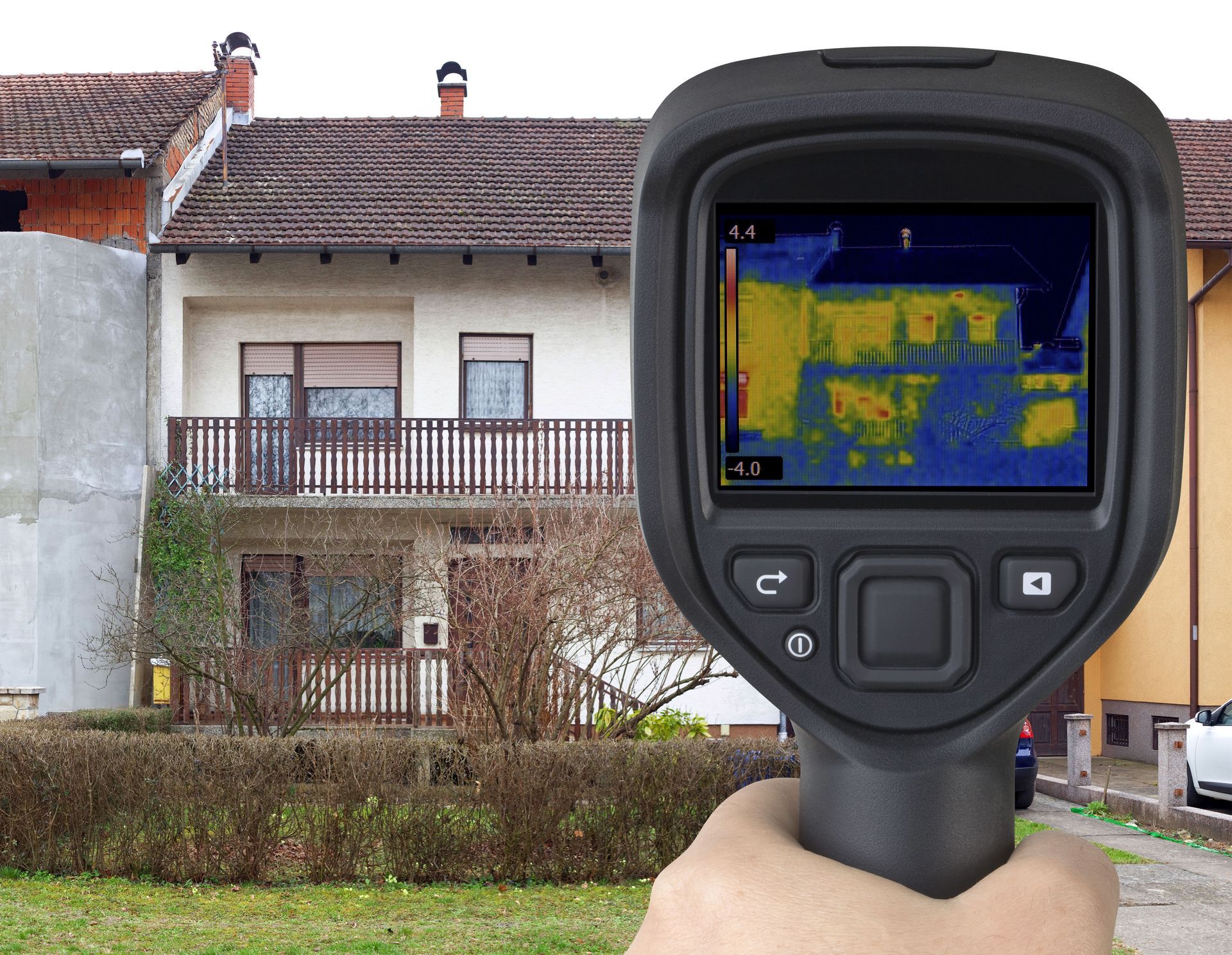
Thermal imaging works by detecting infrared radiation emitted by objects based on their temperature. According to Fluke, unlike traditional cameras that capture images with visible light, thermal cameras detect radiation in the long-wavelength infrared range, reaching up to 14,000 nanometers. This capability allows technicians to visualize temperature variations that are invisible to the human eye. Every electrical component produces a distinct thermal signature when operating normally, and deviations from that pattern often indicate underlying problems.
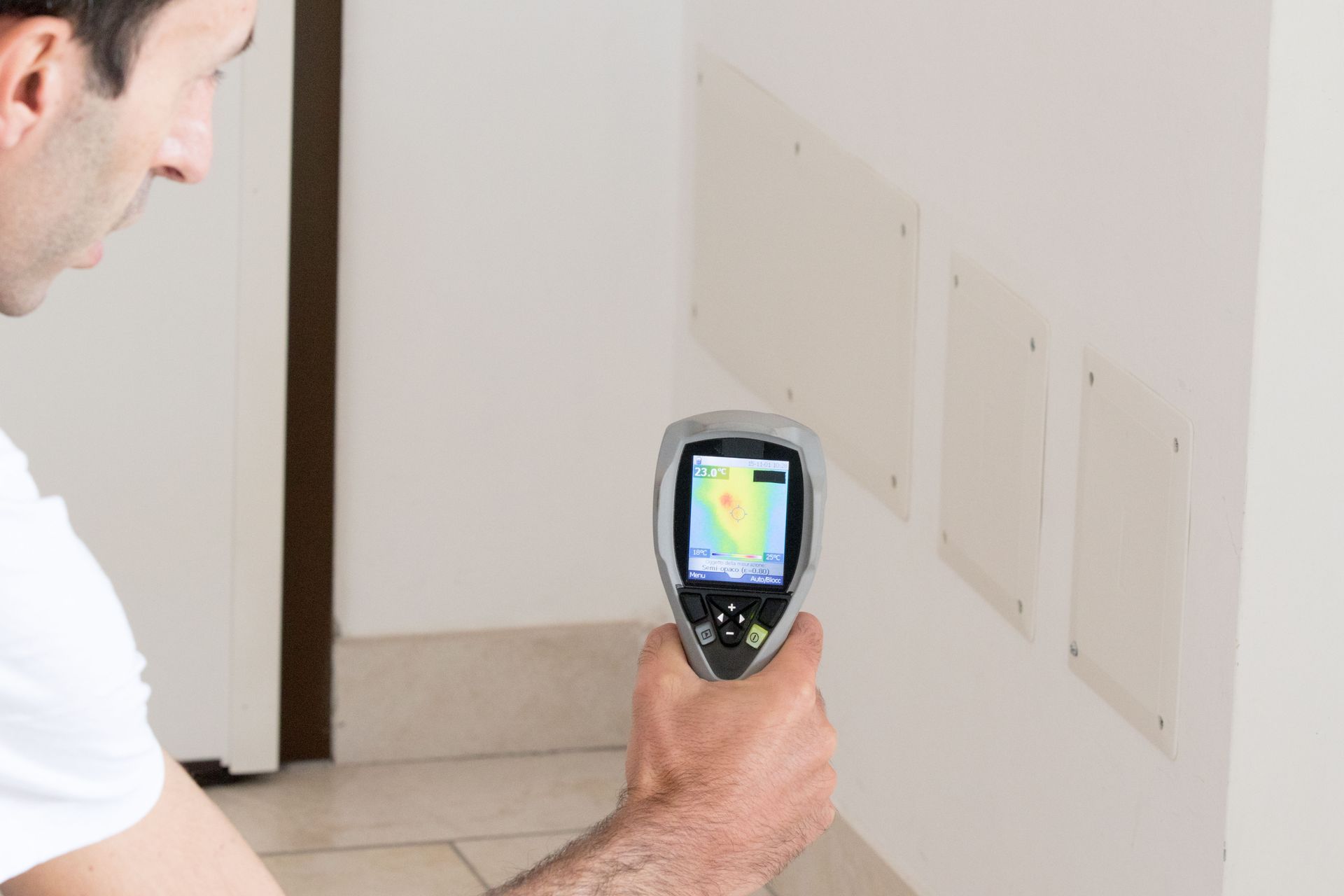
During inspections, a trained professional scans panels, switchgear, transformers, and other components while systems are under normal load. Hot spots immediately stand out on the thermal image, highlighting areas that require closer evaluation. These temperature anomalies may point to loose terminations, overloaded conductors, unbalanced phases, or internal component degradation that would otherwise go unnoticed.
With infrared testing, there is no need to shut down equipment or remove protective covers in many cases, making it a non-intrusive and efficient diagnostic tool. This minimizes disruption to operations while still providing meaningful insights into system health. In addition, thermal images can be documented and included in inspection reports, creating a visual record that helps maintenance teams prioritize repairs, justify corrective actions, and track changes over time. This combination of safety, efficiency, and documentation makes thermal imaging a powerful asset in modern electrical maintenance programs.
Preventing Costly Downtime and Emergency Repairs
One of the most significant benefits of early detection is avoiding unplanned downtime. Electrical failures often cascade, taking multiple systems offline and bringing operations to a halt. The financial impact can include lost productivity, spoiled inventory, missed deadlines, and expensive emergency service calls. In critical environments such as manufacturing facilities, data centers, or healthcare settings, even a brief outage can have serious operational and reputational consequences.
By scheduling routine inspections, infrared testing helps maintenance teams plan repairs during convenient windows rather than reacting to failures after the fact. Issues can be prioritized based on severity, allowing the most critical risks to be addressed first while less urgent items are scheduled into regular maintenance cycles. Replacing a loose connection or balancing a load is far less expensive than repairing fire damage or replacing major equipment.
Over time, this proactive approach extends the lifespan of electrical assets and stabilizes maintenance budgets. Organizations gain better cost predictability, reduce emergency labor premiums, and avoid the stress of last-minute repairs. Consistent monitoring also supports long-term planning by identifying aging equipment before it reaches a failure point, enabling smarter capital investments.
Enhancing Workplace Safety and Reducing Fire Risk
Electrical issues are a leading cause of industrial and commercial fires. Overheating components can ignite surrounding materials or cause arc flashes that seriously injure workers. Many of these incidents occur without prior visible warning, which is why relying solely on visual inspections can be dangerous. Even seemingly minor issues, like a slightly loose connection or a worn breaker, can escalate rapidly if left unchecked, turning a small heat anomaly into a full-blown hazard. In high-demand environments, the risk multiplies, as electrical systems are constantly under load and small faults can quickly compound.
Regular infrared testing adds a critical layer of protection by identifying hazards before they become emergencies. Maintenance teams can prioritize repairs based on severity, addressing the hottest and most dangerous issues first. This proactive approach not only protects property but also creates a safer environment for employees, contractors, and visitors. Demonstrating a commitment to safety can also improve compliance with workplace regulations and insurance requirements, potentially lowering premiums and reinforcing the organization’s safety culture. Over time, integrating infrared testing into routine maintenance strengthens both operational reliability and workforce confidence.
Supporting Energy Efficiency and System Performance
Excess heat in electrical systems is often a sign of wasted energy. Resistance caused by loose or corroded connections forces equipment to work harder, drawing more power than necessary. Over time, this inefficiency increases utility costs and accelerates wear on components.
Through infrared testing, organizations can pinpoint sources of energy loss and correct them promptly. Tighter connections, balanced loads, and properly functioning components all contribute to smoother operation and lower energy consumption. Improving efficiency not only saves money but also supports sustainability goals by reducing unnecessary energy use.
Integrating Predictive Maintenance Into Long-Term Planning
Modern maintenance strategies are shifting away from reactive fixes toward predictive models. Predictive maintenance relies on data and trends to anticipate failures rather than responding after breakdowns occur. Thermal imaging plays a key role in this approach by providing measurable, repeatable insights into equipment health.
When inspections are performed consistently, infrared testing creates a thermal history of critical assets. Technicians can track whether a hot spot is stable, improving, or worsening over time. This trend analysis supports smarter decision-making, helping managers allocate resources, schedule replacements, and avoid surprises that disrupt long-term planning.
Choosing Qualified Professionals and Proper Inspection Frequency
While thermal cameras are powerful tools, accurate interpretation requires training and experience. A qualified technician understands how load conditions, environmental factors, and equipment design influence temperature readings. Misinterpretation can lead to unnecessary repairs or overlooked hazards.
The frequency of inspections depends on factors such as equipment age, operating environment, and criticality of systems. High-load or mission-critical facilities may benefit from annual or semi-annual surveys, while lower-risk environments may require less frequent checks. Partnering with experienced professionals ensures inspections are both thorough and actionable.
Electrical problems rarely appear overnight—they develop quietly until they cause disruption or danger. By making infrared testing part of a proactive maintenance strategy, organizations can detect issues early, protect people and property, and maintain reliable operations. Preventing surprises starts with seeing what the naked eye cannot. If you are looking for qualified electricians to help with your electrical problems, contact Sheridan Electric Inc today to learn more!