September 23, 2026
Modern property maintenance often requires looking beyond what can be seen during a standard visual assessment. Hidden moisture, heat loss, electrical problems, and other concerns may develop behind walls, beneath flooring, or inside mechanical systems long before visible warning signs appear. An infrared inspection uses thermal imaging technology to identify temperature differences across building materials and systems, giving property owners additional information about areas that may require closer evaluation. Finding these concerns early can help owners plan repairs, reduce unnecessary damage, and maintain a safer and more efficient property.
1. Identifying Energy Loss
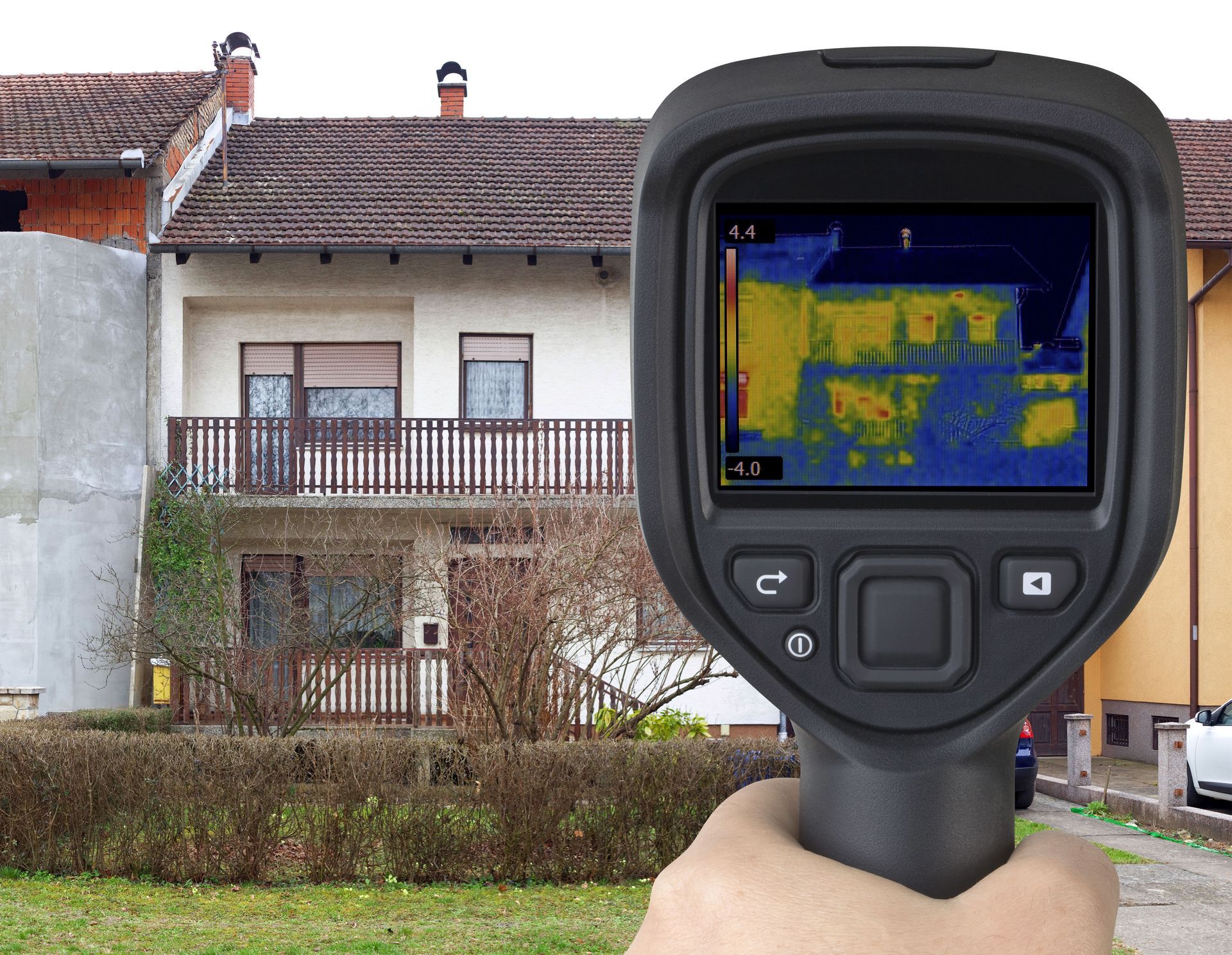
Energy loss is a significant concern for property owners because it can contribute to higher utility bills and uncomfortable indoor conditions. Drafts, cold spots, and rooms that are difficult to heat or cool may indicate gaps around windows and doors, inadequate insulation, or other weaknesses in the building envelope. An infrared inspection can reveal unusual thermal patterns that help inspectors identify locations where conditioned air may be escaping or outdoor temperatures may be influencing interior spaces.
Inconsistent temperatures throughout a building can also indicate insulation deficiencies. Walls, ceilings, attic spaces, and areas around doors and windows may show different thermal characteristics when insulation is missing, compressed, damaged, or improperly installed. Identifying these areas gives property owners an opportunity to investigate the cause and determine whether additional insulation, air sealing, or another improvement is appropriate.
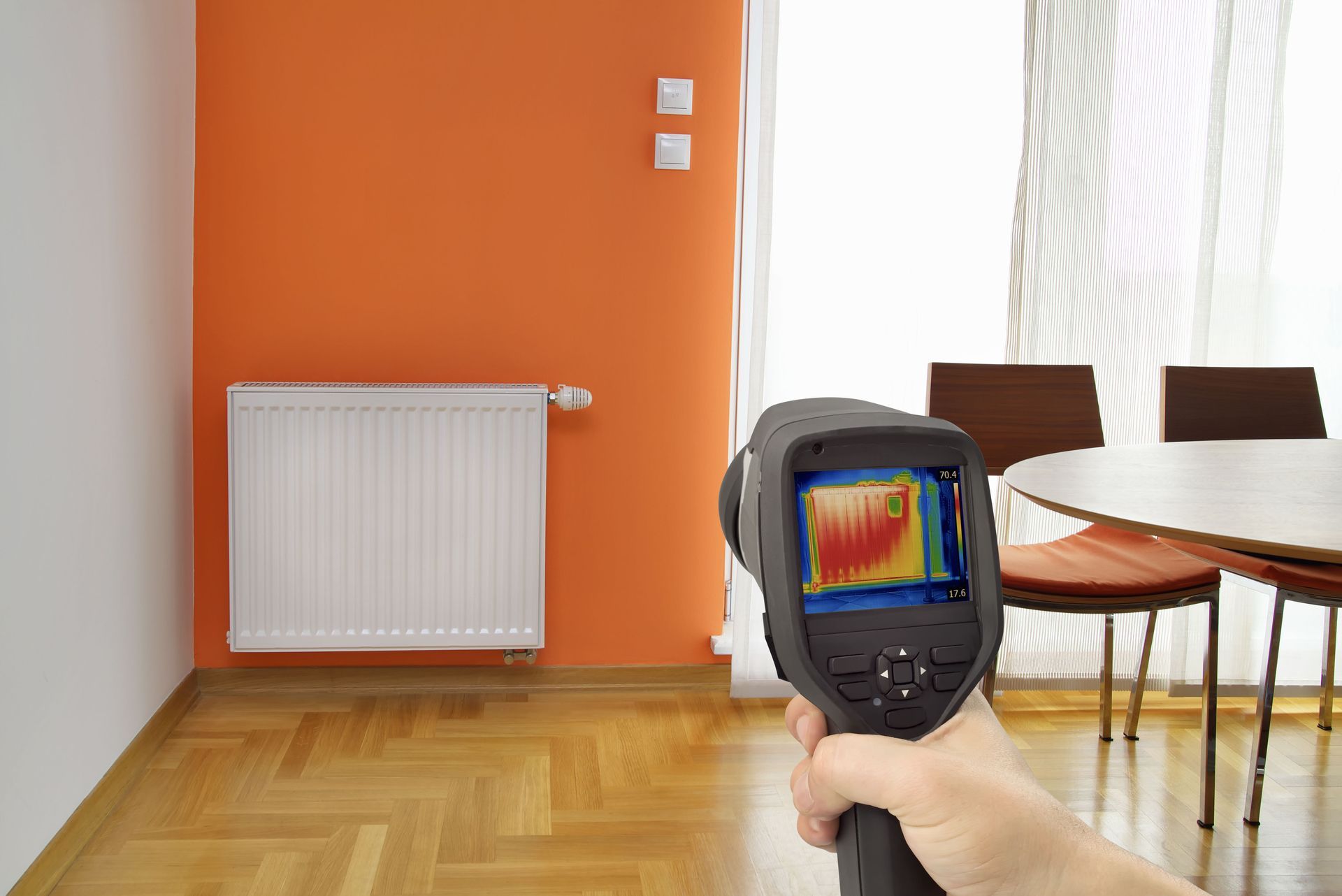
HVAC performance can contribute to energy efficiency as well. Duct leaks, uneven airflow, or poorly conditioned areas can force heating and cooling equipment to operate longer to maintain desired temperatures. Thermal imaging may help locate suspicious temperature patterns around ducts, registers, and mechanical equipment. Correcting verified problems can improve indoor comfort while reducing unnecessary strain on heating and cooling systems.
2. Detecting Moisture and Water Intrusion
Water intrusion can cause substantial property damage when it remains unnoticed. Roof leaks, plumbing failures, exterior drainage problems, and moisture entering around windows or doors may affect building materials before obvious staining or deterioration becomes visible. An infrared inspection can help locate temperature differences associated with possible damp areas, allowing inspectors to determine where additional moisture testing may be necessary.
Hidden moisture can contribute to damaged drywall, deteriorating insulation, peeling finishes, and conditions that may support mold growth. Because water can travel along framing members and other materials, the visible location of a stain does not always indicate where the moisture originally entered. Thermal imaging can help narrow the area that requires further investigation, potentially reducing the need for unnecessary destructive testing.
Plumbing leaks are another concern because pipes frequently run behind walls, above ceilings, and beneath floors. A leak in one of these concealed locations may continue for an extended period before occupants notice visible damage. Thermal patterns can help inspectors identify areas that deserve additional examination. However, thermal imaging does not directly detect water, so suspicious findings should generally be confirmed with moisture meters, physical inspection, or other appropriate diagnostic methods.
3. Inspecting Electrical Systems
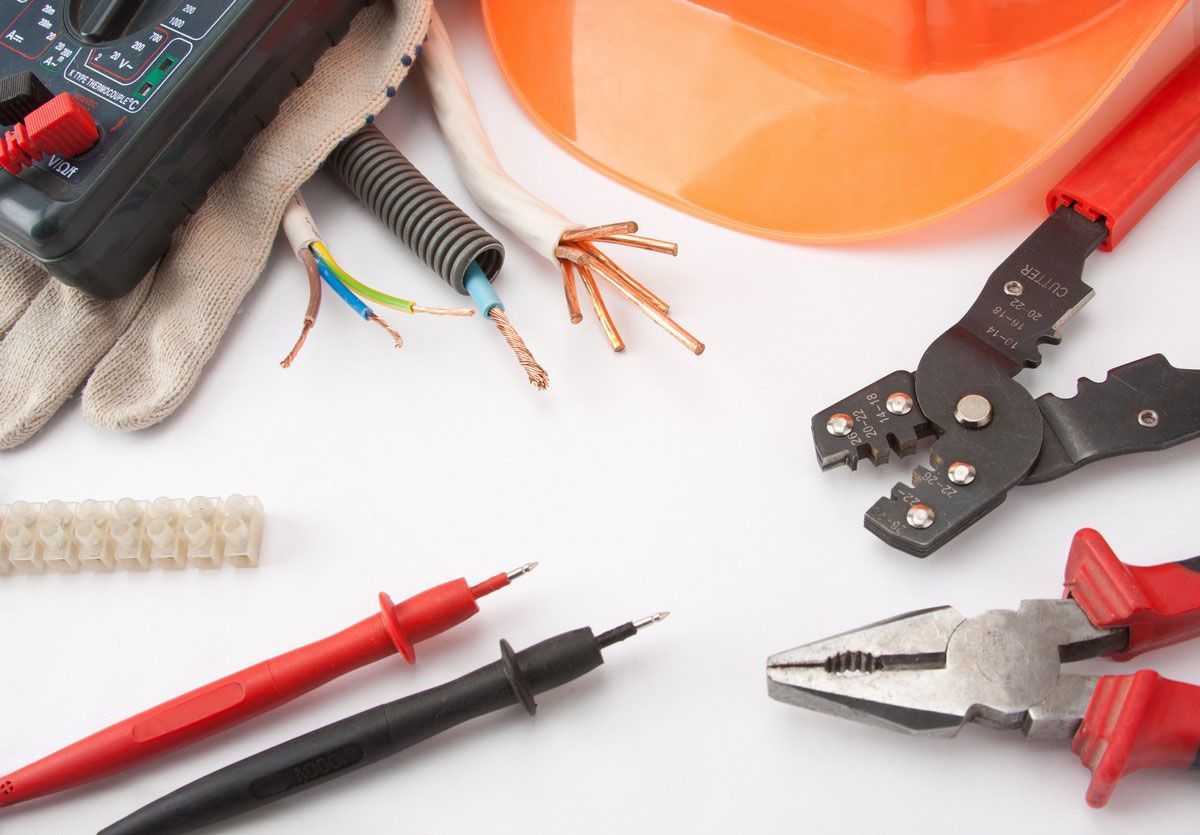
Electrical problems can create serious safety and operational concerns. Loose connections, overloaded components, failing breakers, and other electrical defects may generate excessive heat during operation. An infrared inspection allows trained professionals to look for abnormal heat patterns in electrical panels and related equipment without relying solely on visible signs of deterioration.
According to the International Association of Certified Home Inspectors, thermal imaging may assist with identifying electrical concerns such as overloaded circuits and unusually hot connections. A component operating at a noticeably higher temperature than comparable components may warrant additional evaluation. Because electrical conditions can be dangerous, suspected problems should be examined and corrected by qualified electrical professionals.
Thermal imaging can also be useful when evaluating electrical equipment that serves larger residential, commercial, or industrial properties. Breakers, connections, motors, transformers, and other components may develop heat patterns as problems emerge. Establishing routine assessments can make it easier to notice changes over time and address confirmed defects before they contribute to equipment failure, service interruptions, or more serious safety concerns.
4. Assessing Structural and Building Envelope Concerns
A property's walls, ceilings, roof, foundation, and other structural elements protect occupants while supporting the overall stability of the building. Although thermal imaging cannot independently diagnose structural failure, an infrared inspection may reveal unusual temperature patterns associated with air leakage, moisture, insulation deficiencies, or other conditions that deserve closer examination.
For example, moisture entering around a roof or exterior wall can gradually affect sheathing, insulation, drywall, and other building materials. The affected area may have a different surface temperature than surrounding dry materials. Detecting this pattern gives inspectors a starting point for further investigation. When necessary, findings can then be evaluated by roofing professionals, contractors, engineers, or other specialists who can determine the actual condition of the materials.
Thermal imaging may also help evaluate portions of the building envelope that are difficult to assess visually. Areas around windows, doors, roof penetrations, attic spaces, and wall transitions can experience air or moisture intrusion when seals and construction materials deteriorate. Addressing verified problems can help preserve interior finishes, improve efficiency, and protect building components from continued exposure to damaging conditions.
5. Investigating Possible Pest Activity
Pests can occupy hidden areas of a property, including wall cavities, attics, crawl spaces, and other locations that are difficult to inspect without disturbing building materials. In certain circumstances, an infrared inspection may identify unusual thermal patterns associated with nests, colonies, or other biological activity. These findings can help determine which areas should receive additional attention from a qualified pest control professional.
Termites, rodents, bees, wasps, and other pests can create property concerns when activity remains unnoticed. Rodents may damage insulation and wiring, while insects can occupy structural cavities or other protected spaces. Thermal imaging should not be considered definitive proof of an infestation because temperature differences can have many causes. Instead, suspicious patterns can guide a more focused physical inspection.
This approach can be especially useful when property owners want to minimize unnecessary disturbance to finished surfaces. Rather than immediately opening large portions of walls or ceilings, inspectors can use thermal information along with visual evidence, moisture readings, pest indicators, and other diagnostic techniques. Confirmed infestations can then be addressed with an appropriate treatment strategy.
6. Supporting Overall Property Safety and Preventive Maintenance
Preventive maintenance is often more manageable when property owners have information about developing conditions before significant damage occurs. An infrared inspection can support this process by revealing temperature anomalies that indicate where further investigation may be worthwhile. Electrical hotspots, insulation gaps, possible moisture intrusion, and HVAC irregularities are examples of conditions that thermal imaging may help bring to attention.
Thermal assessments can also provide useful documentation for ongoing property maintenance. Images collected during one evaluation can sometimes be compared with later findings to determine whether conditions have changed. This can be valuable for commercial buildings, multifamily properties, and other facilities with numerous mechanical and electrical components requiring regular attention.
Property owners should remember that thermal imaging is a diagnostic aid rather than a complete replacement for traditional inspection methods. Temperature differences do not automatically identify the underlying cause of a problem. Visual examination, moisture measurements, electrical testing, structural evaluation, and other specialized procedures may still be necessary to confirm findings and determine the appropriate repairs.
When incorporated into a broader maintenance strategy, thermal imaging provides property owners with another way to understand conditions that may otherwise remain concealed. Identifying suspicious areas early can support better repair planning, energy conservation, moisture management, electrical safety, and building maintenance. Regular evaluations, combined with appropriate follow-up by qualified professionals, can help protect property components, control long-term maintenance costs, and maintain a safer and more comfortable environment for occupants. Contact our team at Sheridan Electric Inc today and learn more about our infrared inspection services.