November 24, 2026
Commercial and industrial facilities depend on complex electrical systems to power machinery, lighting, climate control, and daily operations without interruption. Because most electrical components operate behind closed panel doors, inside switchgear cabinets, or high above production floors, developing faults often remain invisible to the naked eye until a breaker trips or a critical piece of equipment shuts down unexpectedly. Waiting for visible smoke, tripped circuits, burning odors, or sudden outages puts people, valuable equipment, and daily operational schedules at serious risk.
Modern facility teams increasingly rely on proactive diagnostics rather than reactive repairs to keep power distribution systems running smoothly. Scheduling a routine infrared testing service gives maintenance managers a clear, accurate view of thermal conditions across live electrical assets, making it possible to spot abnormal heat buildup long before a minor connection issue escalates into a major failure.
Detecting Hidden Electrical Hotspots Before Equipment Fails
Almost every electrical problem produces excess heat before an actual breakdown occurs. When electrical current encounters abnormal resistance inside a breaker, fuse clip, busbar joint, transformer lug, or motor starter, electrical energy converts into localized thermal energy that raises the surface temperature of the affected component. Left unchecked, that rising heat accelerates insulation breakdown, warps metal contacts, and eventually causes complete component failure across connected circuits.
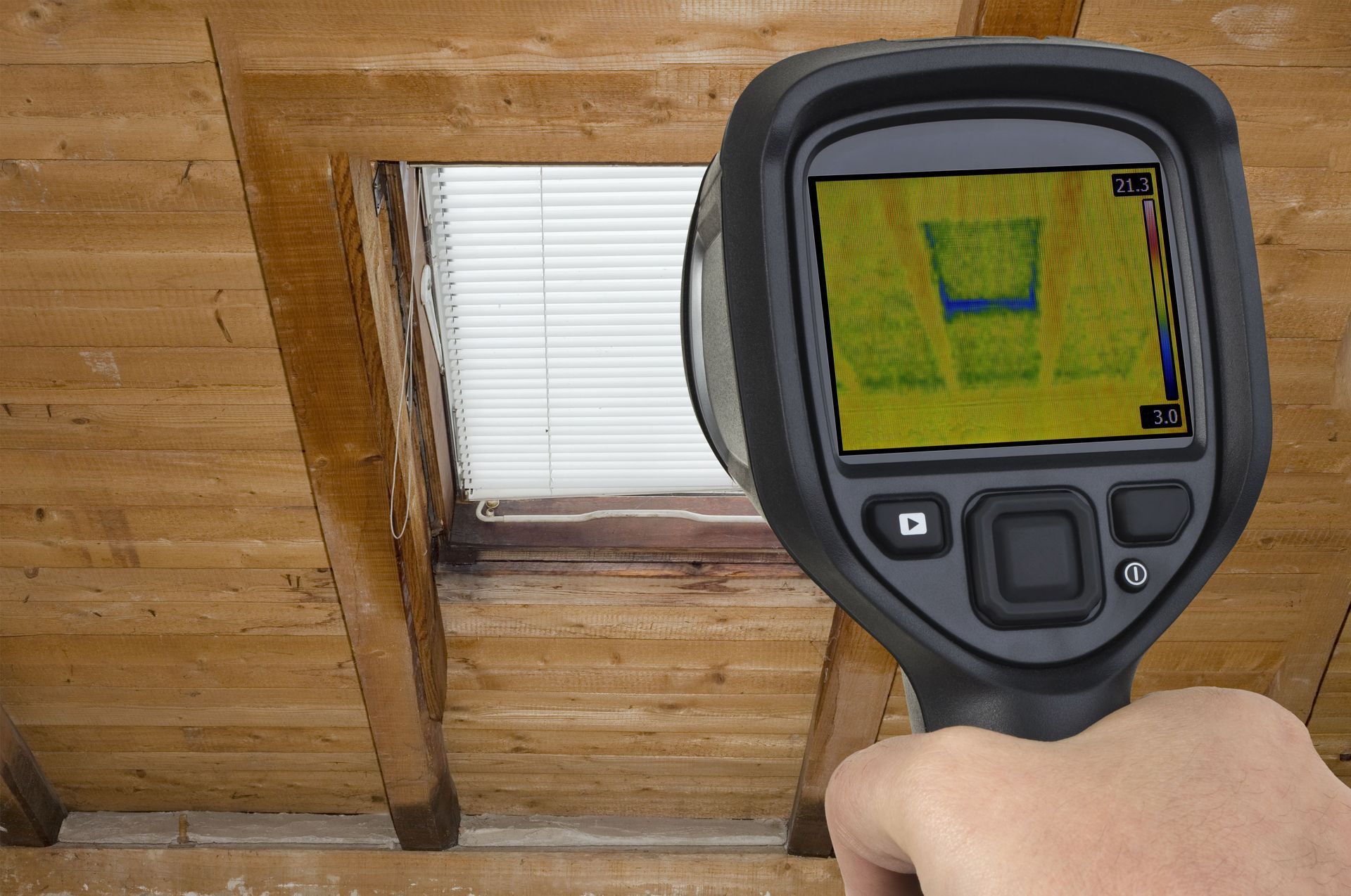
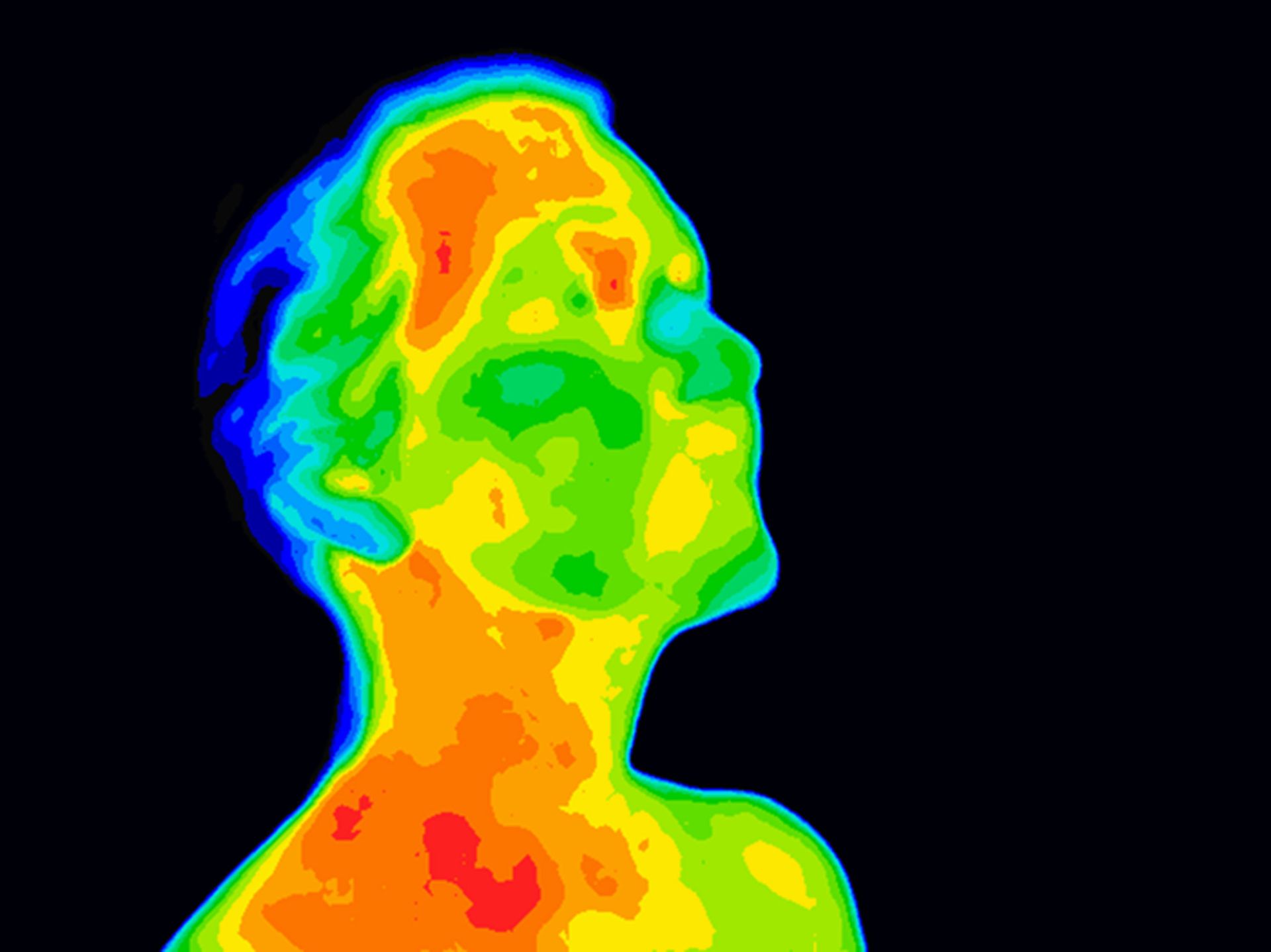
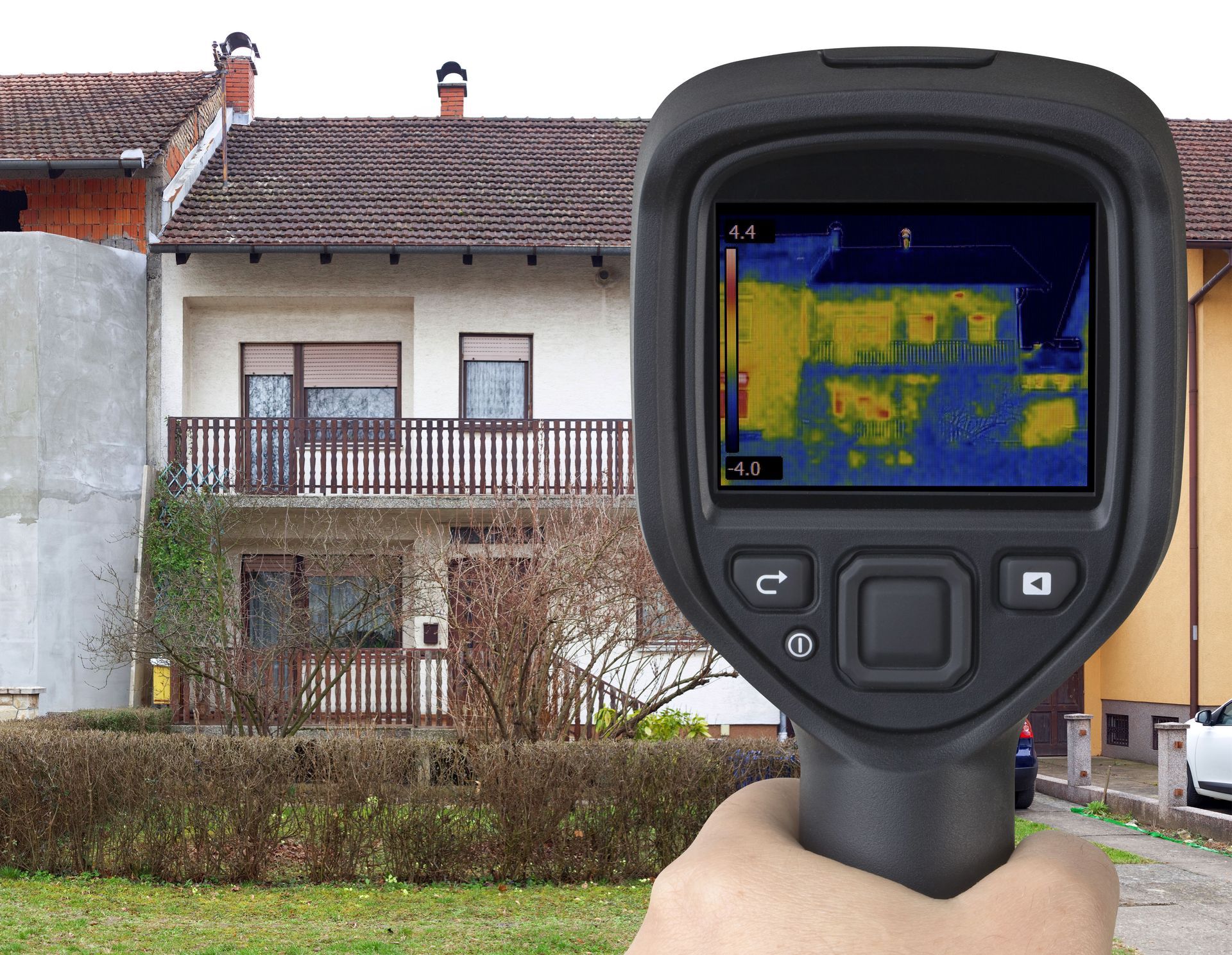
Thermal imaging technology makes these invisible temperature variations immediately visible on a diagnostic display. According to Fluke, whereas conventional cameras rely on visible light to form pictures, thermal imaging cameras sense radiation within the long-wavelength infrared spectrum at wavelengths extending up to 14,000 nanometers. By capturing subtle thermal patterns across panels, transformers, and disconnects, an infrared testing service pinpoints exact hotspots while equipment remains energized and operating under normal load conditions.
Preventing Unplanned Downtime Across Critical Facility Operations
An unexpected electrical outage can bring manufacturing lines, data centers, healthcare clinics, warehouses, and commercial offices to an immediate standstill. Beyond halting everyday workflows, sudden power interruptions often require urgent troubleshooting, expedited replacement parts, and after-hours repair coordination while maintenance teams scramble to restore normal service across affected zones and protect sensitive equipment from abrupt shutdowns.
Proactive thermal scanning shifts electrical upkeep from emergency response to planned maintenance. When technicians identify an overheating breaker or stressed feeder connection during a scheduled walkthrough, facility managers can order replacement components ahead of time and coordinate repairs during planned maintenance windows. Integrating an infrared testing service into an annual or semiannual maintenance program helps organizations eliminate sudden disruptions and keep essential systems running reliably.
Identifying Overloaded Circuits and Loose Connections Early
Electrical distribution systems evolve over time as facilities add new machinery, upgrade lighting layouts, or shift equipment loads across different branch circuits. Without periodic thermal verification, individual circuits can gradually become overloaded or develop phase imbalances that place continuous thermal stress on conductors, terminals, busbars, and protective devices throughout the building.
Mechanical vibration, thermal expansion, and contraction cycles also cause lug bolts and wire terminations to loosen gradually over months of operation. Loose connections create elevated electrical resistance that generates dangerous heat even when a circuit carries normal current levels. Through a comprehensive infrared testing service, technicians examine panelboards, switchgear, motor control centers, and junction boxes to uncover loose terminations, corroded contacts, and imbalanced loads before conductors overheat or damage surrounding hardware.
Extending the Operating Lifespan of Electrical Infrastructure
Switchgear assemblies, transformers, motor control centers, and main distribution panels represent foundational infrastructure designed to serve a building for many years. However, chronic exposure to elevated operating temperatures steadily degrades wire insulation, weakens spring tension inside circuit breakers, and shortens the useful service life of critical electrical assemblies across the facility.
Catching thermal anomalies early prevents localized heat from spreading to adjacent wires, busbars, and sensitive electronic controls inside the same cabinet. Tightening a loose lug, cleaning oxidized contact surfaces, balancing uneven phase loads, or replacing a worn fuse block after a thermal scan protects the surrounding enclosure from progressive heat damage. Utilizing a scheduled thermographic inspection program helps facility teams preserve the structural and electrical integrity of their core power infrastructure over the long term.
Strengthening Workplace Safety and Fire Prevention Protocols
Overheating electrical components pose a major hazard inside commercial, institutional, and industrial buildings. Arcing faults, melted insulation, and overheated transformer windings can ignite nearby dust, packaging materials, or structural framing if abnormal temperatures go unnoticed behind closed metal enclosures or inside busy mechanical rooms.
Routine thermal inspections play a vital role in reducing electrical fire risks, preventing arc hazards, and protecting personnel who work near busy electrical distribution rooms. Because thermographers evaluate energized panels using calibrated non-contact cameras from a safe working distance, inspections identify hazardous conditions without exposing staff to unnecessary contact with live conductors. Including an infrared testing service within a broader facility safety program demonstrates a clear commitment to hazard prevention, regulatory compliance, and occupant protection.
Streamlining Maintenance Schedules With Non-Invasive Inspections
Traditional hands-on electrical maintenance often requires shutting down entire sections of a building so technicians can manually inspect connections and test components. In busy facilities that operate continuous shifts, run climate-sensitive equipment, or serve tenants throughout the day, frequent power shutdowns create major logistical hurdles for maintenance planners and operations leaders.
Thermographic evaluations solve this challenge by assessing equipment performance while systems remain fully online and under active electrical load. In fact, electrical components need to carry normal operating current so thermal cameras can accurately reveal resistance-driven temperature differences. A scheduled thermal imaging evaluation lets technicians scan numerous panels, disconnects, and mechanical drives quickly without interrupting daily productivity, allowing maintenance crews to focus their hands-on repair time strictly on components that show verified thermal anomalies.
Documenting Equipment Health With Detailed Thermal Reports
Effective preventive maintenance relies on clear, actionable documentation that helps engineering and facility teams track equipment conditions over time. Following each inspection, thermographers compile clear visual light photographs alongside matching infrared thermograms, exact component identification labels, temperature comparisons, and practical severity classifications for every thermal anomaly discovered across the electrical distribution network.
Having organized baseline records makes it straightforward for maintenance managers to verify that completed repairs successfully resolved a hotspot and to monitor how key electrical assets perform from season to season. Maintenance supervisors can also share clear visual evidence with leadership teams, safety committees, or insurance auditors to demonstrate proactive care across electrical rooms and mechanical spaces. Relying on a consistent infrared testing service ensures every inspection builds a clear, reliable historical record of your electrical system's ongoing health and performance.
Preventive electrical maintenance works most effectively when facility teams can see developing issues clearly rather than guessing which components need attention. By uncovering hidden hotspots, identifying loose or overloaded connections, reducing fire hazards, documenting asset performance, and keeping equipment operating within safe temperature ranges, thermal diagnostics strengthen reliability across every part of a power distribution system. Making a routine thermal scan part of your ongoing preventive maintenance strategy helps keep your building safe, efficient, well-documented, and prepared for demanding daily operations across every season.
If you are ready to protect your electrical infrastructure and prevent unexpected equipment failures, contact us for our infrared testing service at Sheridan Electric today. We will help you schedule a comprehensive thermal inspection, uncover hidden electrical hotspots early, prioritize corrective maintenance tasks, and keep your entire facility operating safely, smoothly, and reliably.