March 2, 2026
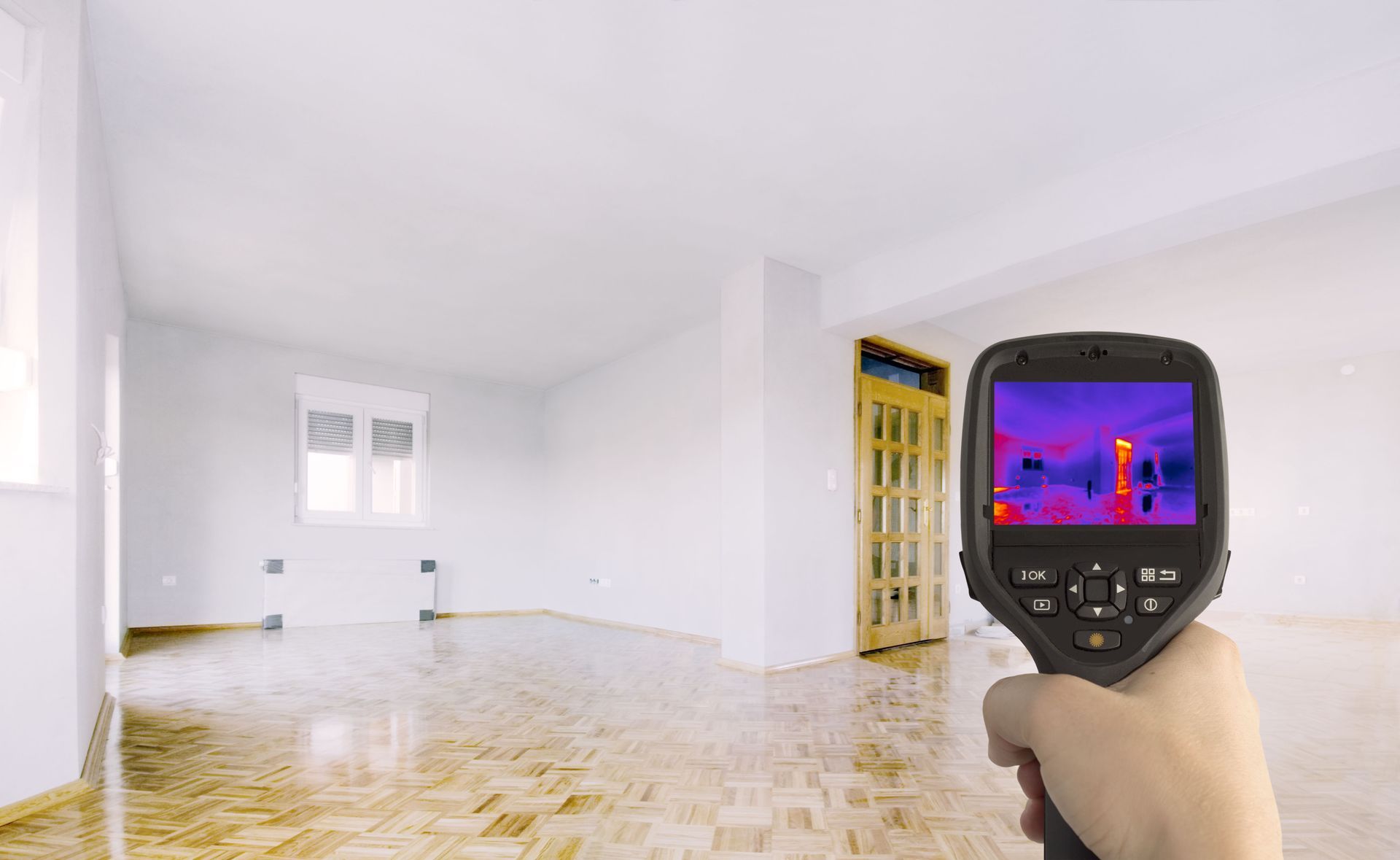
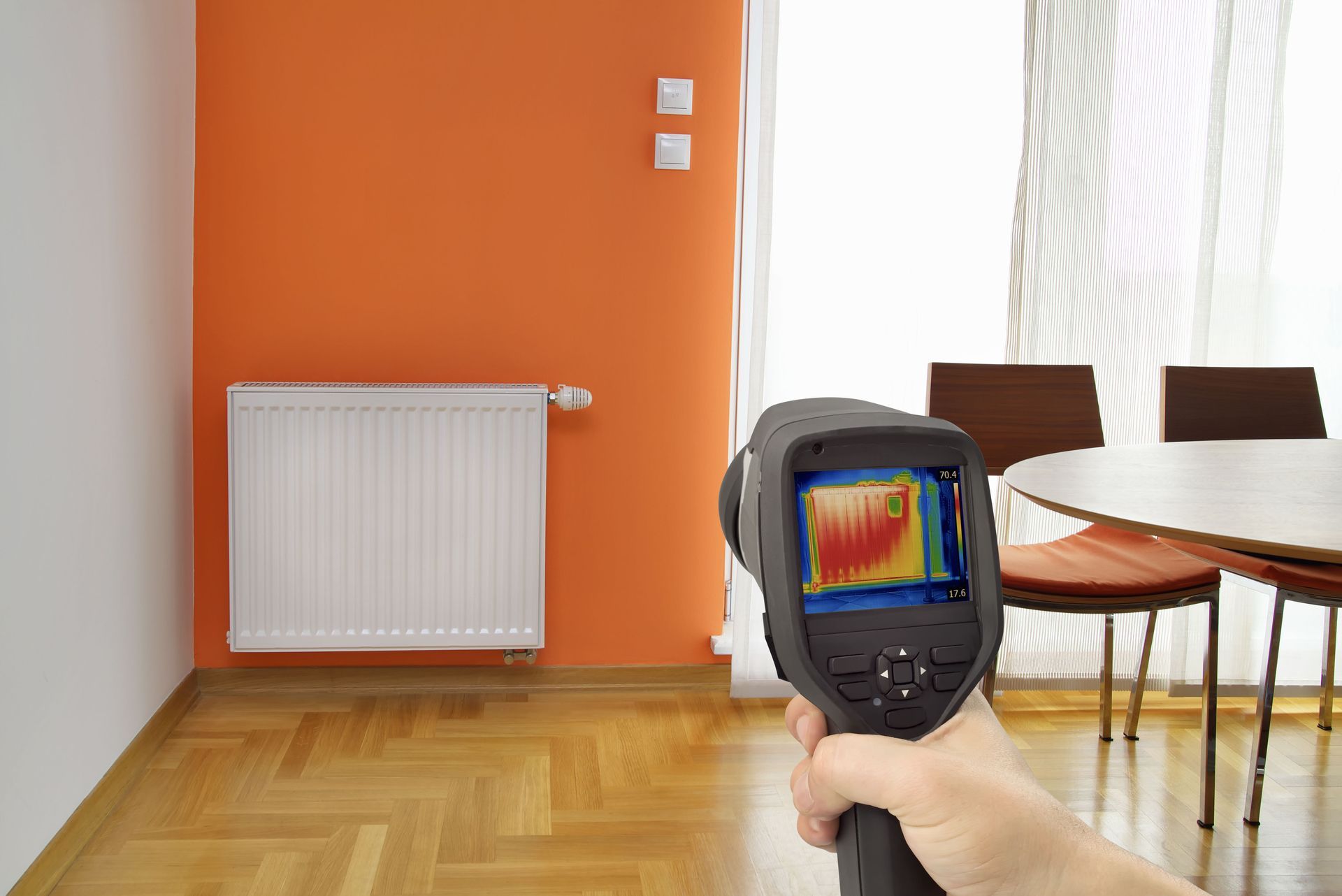
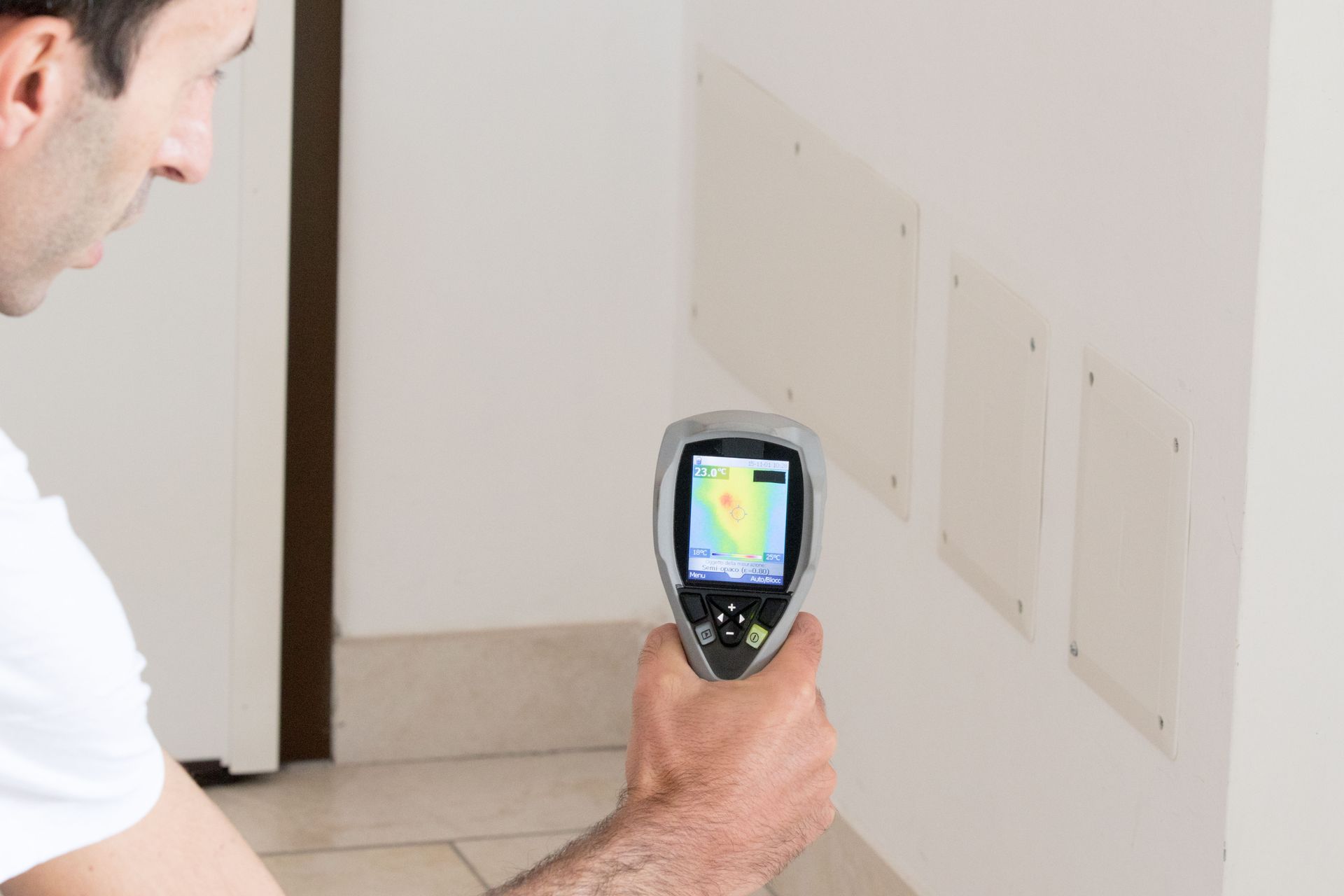
Infrared inspections are powerful tools used in various industries to identify issues that are invisible to the naked eye. By detecting heat variations, these inspections uncover potential problems before they lead to costly repairs or hazardous conditions. Scheduling a local infrared inspection allows property owners to take a proactive approach to maintenance and safety. This article explores some of the hidden problems that inspections can catch, highlighting their significance in maintaining safety and efficiency in different settings. Infrared technology offers a non-invasive, efficient means of identifying hidden problems in a range of applications. Its proactive nature in detecting anomalies underscores its value in preventing serious and expensive issues before they develop.
Electrical Faults
Overheating Circuit Breakers
Infrared inspections are pivotal in identifying overheating circuit breakers, which can be a precursor to electrical fires. Overheating occurs due to various reasons, including overloads and faulty installations. When a circuit breaker overheats, it could fail to trip in the event of an overload, leading to dire consequences. A local infrared inspection uses thermal imaging to highlight temperature irregularities, allowing technicians to address these issues before they escalate. With the employment of electricians projected to increase by 9% from 2024 to 2034 according to the U.S. Bureau of Labor Statistics, the need for preventive measures like infrared inspections is more pertinent than ever.
Loose Connections
Loose electrical connections are a significant concern as they can lead to energy inefficiency and potential fire hazards. These connections generate heat due to increased resistance, which is easily detected through thermal imaging. During a local infrared inspection, even minor temperature differences can be identified and traced back to their source. Identifying loose connections early prevents equipment damage and the extension of faults through the electrical system. Regular inspections are crucial because loose connections can lead to considerable energy waste and safety hazards if left uncorrected.
Imbalanced Loads
Infrared inspections are instrumental in identifying imbalanced electrical loads, a condition that may lead to equipment failure. Imbalances create unequal heating and stress on electrical systems, detectable through thermal imaging. By incorporating a local infrared inspection into preventive maintenance schedules, businesses and homeowners can enhance overall system performance. Early detection supports timely load adjustments, preventing potential outages and expensive repairs.
Defective Electrical Components
Defective electrical components pose a significant risk of circuit damage or system failures if not corrected promptly. These components often produce unusual thermal patterns that stand out clearly in infrared scans. A detailed local infrared inspection can isolate malfunctioning parts before they disrupt operations. Employing regular inspections helps maintain a proactive approach to electrical system care while minimizing downtime and costly emergency service calls.
Roof Leaks and Moisture Intrusion
Leak Detection
Roof leaks are often difficult to trace as they can surface far from the actual entry point of moisture. Infrared technology identifies subtle temperature differences that signal trapped moisture beneath roofing materials. A local infrared inspection provides accurate detection without invasive tear-offs, helping property owners prevent water damage and mold growth. Early intervention preserves insulation, structural elements, and interior finishes.
Moisture Mapping
Moisture mapping with thermal imaging allows professionals to visualize how water travels within roofing systems and wall assemblies. This approach is especially valuable during a local infrared inspection of commercial buildings where flat roofs are common. By understanding the spread and concentration of moisture, targeted repairs can be made instead of replacing entire sections unnecessarily. This focused strategy saves both time and resources.
Insulation Gaps Detection
Detecting insulation gaps is vital for energy efficiency and reducing heating or cooling costs. Infrared scans reveal areas where conditioned air escapes, creating noticeable temperature contrasts. When performed as part of a local infrared inspection, these findings allow building owners to correct deficiencies and improve overall energy performance. Addressing insulation gaps leads to lower utility bills and more consistent indoor comfort.
Condensation Issues
Condensation within walls or ceilings can cause structural distress and promote mold growth. Thermal imaging highlights cooler surfaces where condensation is likely forming. A local infrared inspection can pinpoint ventilation shortcomings or hidden moisture pockets before visible damage appears. Preventive measures taken early reduce long-term repair costs and protect indoor air quality.
Flat Roof Deficiencies
Flat roofs are particularly vulnerable to water pooling and trapped moisture. Over time, this can compromise membranes and insulation layers. A local infrared inspection detects saturated areas without cutting into the roofing system. Early identification allows for sectional repairs rather than full replacements, extending the life of the roof and protecting the building envelope.
Plumbing Problems
Hidden Pipe Leaks
Plumbing leaks hidden behind walls or under floors often remain unnoticed until substantial damage occurs. Thermal imaging detects temperature changes associated with water movement and damp materials. Scheduling a local infrared inspection helps locate these concealed leaks before they result in mold, rot, or structural weakening. Early repairs maintain property value and reduce disruption.
Underground Leaks
Underground leaks present unique detection challenges because the damage is not immediately visible. Variations in surface temperature can indicate escaping water below ground. Through a local infrared inspection, technicians can narrow down the affected area, minimizing excavation and repair costs. This targeted approach protects landscaping and surrounding infrastructure.
Sewer Line Issues
Sewer line problems can create serious health and environmental risks. Abnormal heat patterns sometimes reveal blockages or breaks in sewer systems. A local infrared inspection adds an extra layer of diagnostic insight, helping property owners address potential failures before backups or contamination occur. Maintaining sewer integrity supports both safety and compliance standards.
Structural Deficiencies
Foundation Cracks
Foundation cracks may develop gradually due to settling or soil movement. These weaknesses often produce subtle temperature differences detectable with thermal imaging. Including a local infrared inspection in routine property assessments can uncover hidden foundation concerns before they expand. Early stabilization measures protect structural integrity and prevent more significant damage.
Heat Loss Areas
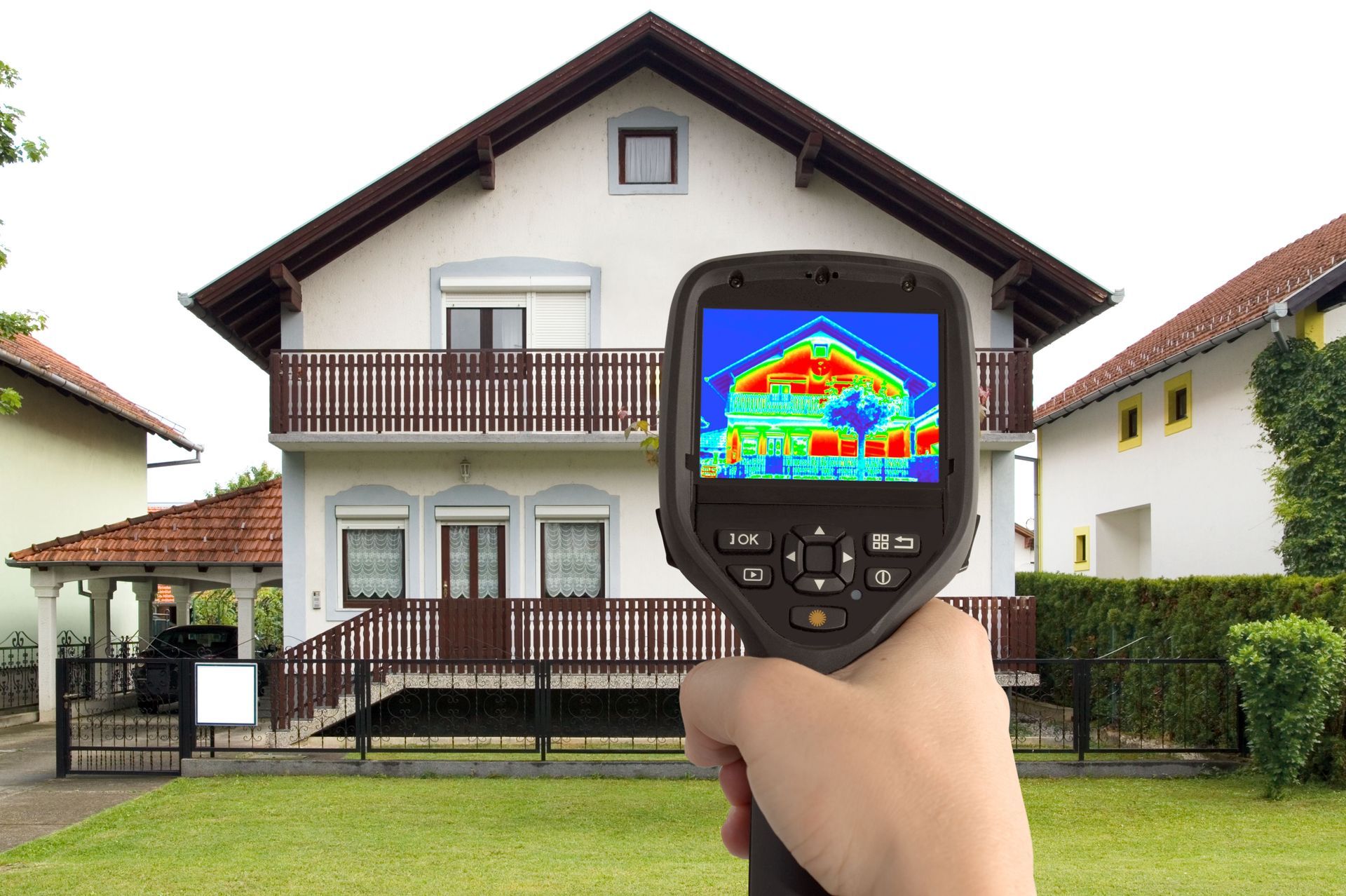
Excessive heat loss increases energy consumption and strains HVAC systems. Infrared imaging clearly identifies these inefficiencies, highlighting areas where insulation or sealing improvements are needed. By conducting a local infrared inspection, property owners gain a clear understanding of where energy escapes and how to correct it. Improved energy retention translates to lower operating expenses.
Attic Ventilation Problems
Improper attic ventilation can lead to heat buildup, moisture accumulation, and premature roof deterioration. Temperature anomalies observed during a local infrared inspection reveal insufficient airflow or blocked vents. Correcting these issues promotes better roof longevity and reduces the risk of mold growth. Regular assessments support a balanced and efficient building system.
HVAC System Inefficiencies
Ductwork Leaks
Leaks in ductwork compromise heating and cooling efficiency. Thermal imaging identifies areas where conditioned air escapes into unconditioned spaces. A local infrared inspection can detect these leaks quickly, allowing for sealing and repair. Restoring duct integrity improves system performance and indoor comfort.
Restricted Airflow
Restricted airflow strains HVAC components and increases energy usage. Uneven temperature distribution throughout a building often signals blockages or mechanical issues. By performing a local infrared inspection, technicians can visualize these irregularities and recommend corrective measures. Optimized airflow enhances comfort and extends equipment lifespan.
Fire Safety Hazards
Compromised Electrical Panels
Electrical panels with abnormal heat buildup represent serious fire risks. Thermal imaging highlights these hotspots instantly. A local infrared inspection provides an added safeguard by identifying compromised components before sparks or flames occur. Prompt repairs strengthen overall fire prevention strategies.
Hotspots in Storage Areas
Unexpected hotspots in storage areas can indicate overloaded circuits, malfunctioning equipment, or unsafe material placement. Through a comprehensive local infrared inspection, these hidden hazards are identified and addressed early. Regular monitoring enhances safety compliance and protects valuable inventory from preventable fire damage.
Infrared technology offers an effective way to detect hidden issues across electrical, roofing, plumbing, structural, HVAC, and fire safety systems. A local infrared inspection provides property owners with actionable insights that support preventive maintenance and long-term cost savings. By identifying problems early, inspections reduce safety risks, improve energy efficiency, and protect valuable assets. As building systems become more advanced, incorporating routine infrared evaluations remains a practical and forward-thinking investment. In need of a local infrared inspection? Contact Sheridan Electric Inc today.